Email:dennis@sun-cart.com Whatsapp:+86 13696971344
Why Is My Electric Golf Cart Running Slow? A Complete Troubleshooting Guide for 2026
When Your Golf Cart Doesn‘t Keep Up
You step on the accelerator, and instead of the smooth, responsive ride you expect, your electric golf cart lurches, hesitates, or crawls along at half its normal speed.
If this sounds familiar, you’re not alone. Slow speed is one of the most common complaints among electric golf cart owners — and the good news is that most causes are simple, preventable, and fixable without expensive repairs.
The key is knowing where to look. Whether you operate a fleet of resort shuttles, manage a community transport program, or simply use a cart for daily errands, this guide will help you diagnose and fix slow speed issues step by step.
This troubleshooting guide covers the most common causes of speed loss in electric golf carts — from simple battery problems to controller and motor issues. Follow these steps in order, and you‘ll likely find the culprit without unnecessary parts replacement.
Sun-Cart electric golf carts are equipped with high-efficiency AC motors, FOC smart controllers, and LiFePO₄ batteries for reliable, consistent performance. Explore our electric golf cart lineup →
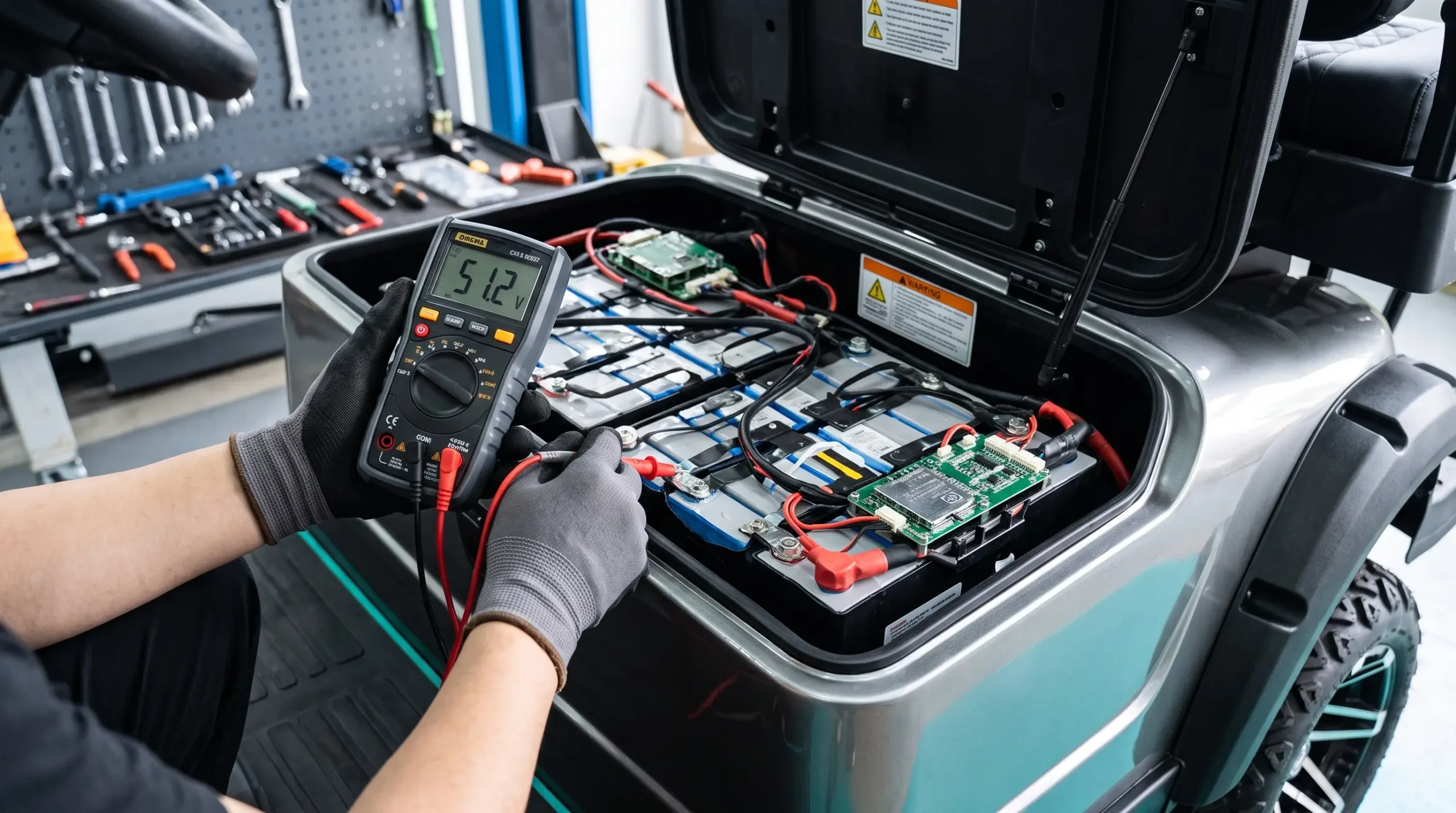
The #1 cause of slow electric golf carts is battery-related.
Even if your battery meter shows a full charge, aging or weak batteries can lose power under load — meaning they show full voltage when idle but drop significantly when you accelerate. This is called voltage sag, and it‘s the most common reason carts lose speed on hills or during acceleration.
What to Look For
| Symptom | What It Means |
|---|---|
| Cart runs fine on flat ground but slows dramatically uphill | Voltage sag — batteries can’t deliver enough current under load |
| Cart feels sluggish from the start | Batteries may be old or sulfated |
| Speed drops after 10–15 minutes of driving | Batteries are losing capacity |
| Batteries are more than 4–5 years old (lead-acid) | Likely nearing end of life |
| Voltage drops below 31V on a 36V pack during hard acceleration | Batteries not allowing full speed |
How to Test
Charge fully — Use the correct charger for your battery type and charge overnight
Check individual battery voltages — With a multimeter, test each battery. A 12V battery should read 12.6–12.8V when fully charged
Load test — Test voltage while driving or under load (or have a battery shop perform a load test)
Check water levels (lead-acid only) — If plates are exposed, the battery is damaged
Check for swelling or corrosion — Both are signs of battery failure
The Lithium Advantage
This is exactly why lithium (LiFePO₄) batteries are superior for commercial and daily use. Unlike lead-acid, lithium delivers consistent voltage throughout the discharge cycle — meaning your cart maintains full speed from fully charged to nearly empty.
If you‘re still running lead-acid batteries and experiencing speed loss, upgrading to lithium is the single most effective solution.
Sun-Cart‘s LiFePO₄ lithium batteries deliver consistent power from 100% to 20% charge. Learn more about our battery technology →
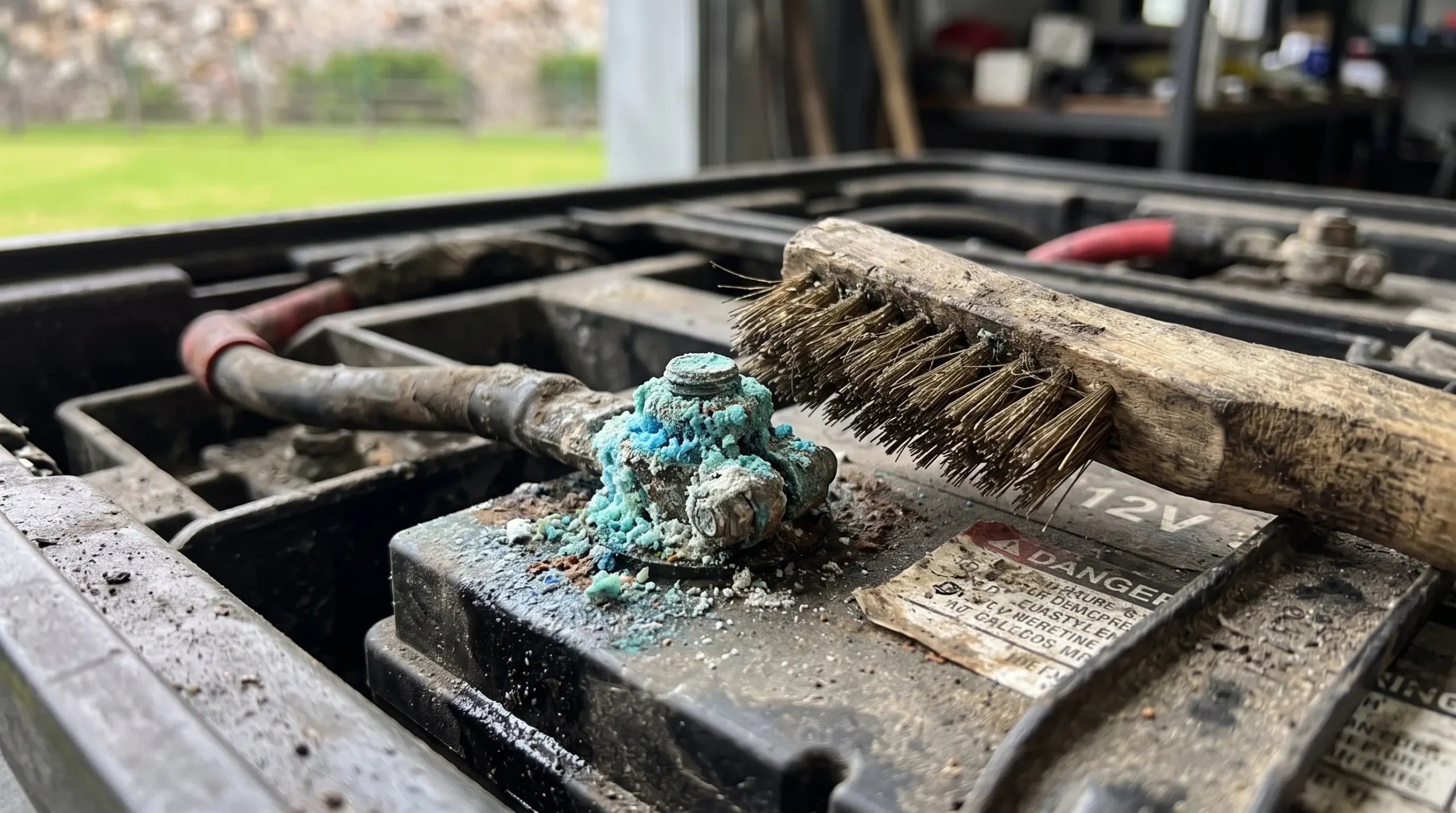
Loose or corroded battery cables are the second most common cause of sudden speed loss.
Even a small amount of corrosion or a slightly loose connection can cause noticeable speed loss because the motor never receives full pack voltage.
What to Check
All connections are tight — Check every cable from each battery to the controller
No corrosion — Look for white or blue powder around terminals
Cables are in good condition — No fraying, cracking, or heat damage
Connections are clean — Use a wire brush and baking soda solution to clean corrosion
Quick Fix
1.Remove and clean all battery terminals
2.Apply anti-corrosion gel or dielectric grease
3.Re-tighten all connections securely
4.Test drive
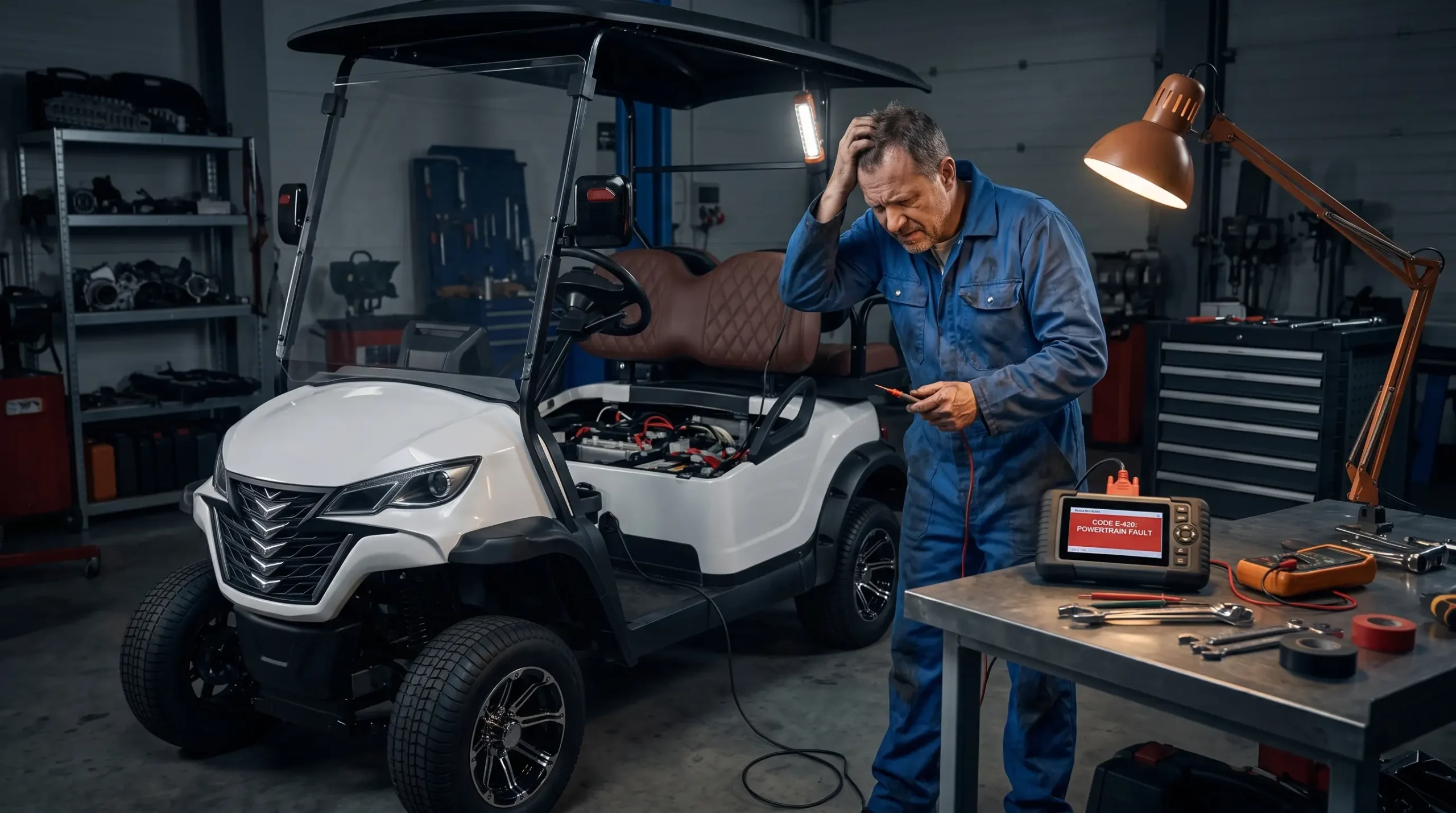
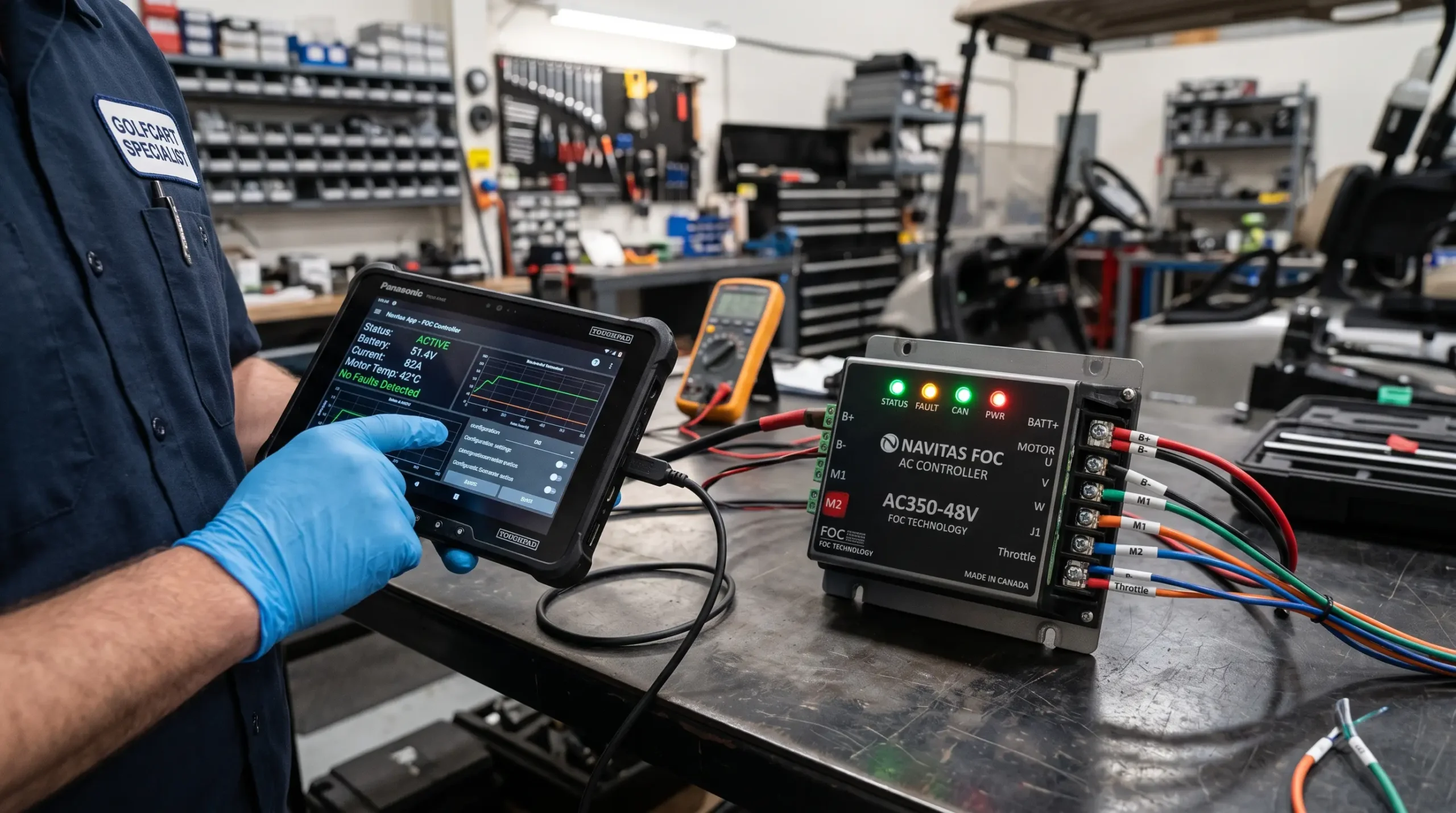
The speed controller regulates power from the batteries to the motor. If it‘s failing or misconfigured, your cart will lose speed — sometimes dramatically.
Symptoms of a Bad Controller
| Symptom | What It Indicates |
|---|---|
| Cart struggles to accelerate or climb hills | Controller not delivering full power |
| Inconsistent speed — surging or hesitation | Controller malfunction |
| Cart runs at half speed with no warning | Speed sensor failure or controller fault |
| No response when pressing pedal | Controller or solenoid failure |
| Controller gets unusually hot | Internal short or overload |
| Grinding, whining, or clicking sounds | Internal mechanical or electrical failure |
What to Do
Check the controller for error codes — Many modern controllers have diagnostic LEDs or Bluetooth connectivity
Check speed sensor — If your cart suddenly runs at half speed, the speed sensor has likely failed
Test the throttle signal — A misaligned throttle signal can cause speed loss
Reset the controller — Some controllers can be reset by disconnecting power for 30 seconds
Check for water damage — Controllers exposed to moisture can fail
Sun-Cart‘s FOC smart controllers feature CAN bus diagnostics for easy troubleshooting and include anti-rollback and anti-runaway protection. Explore our controller technology →
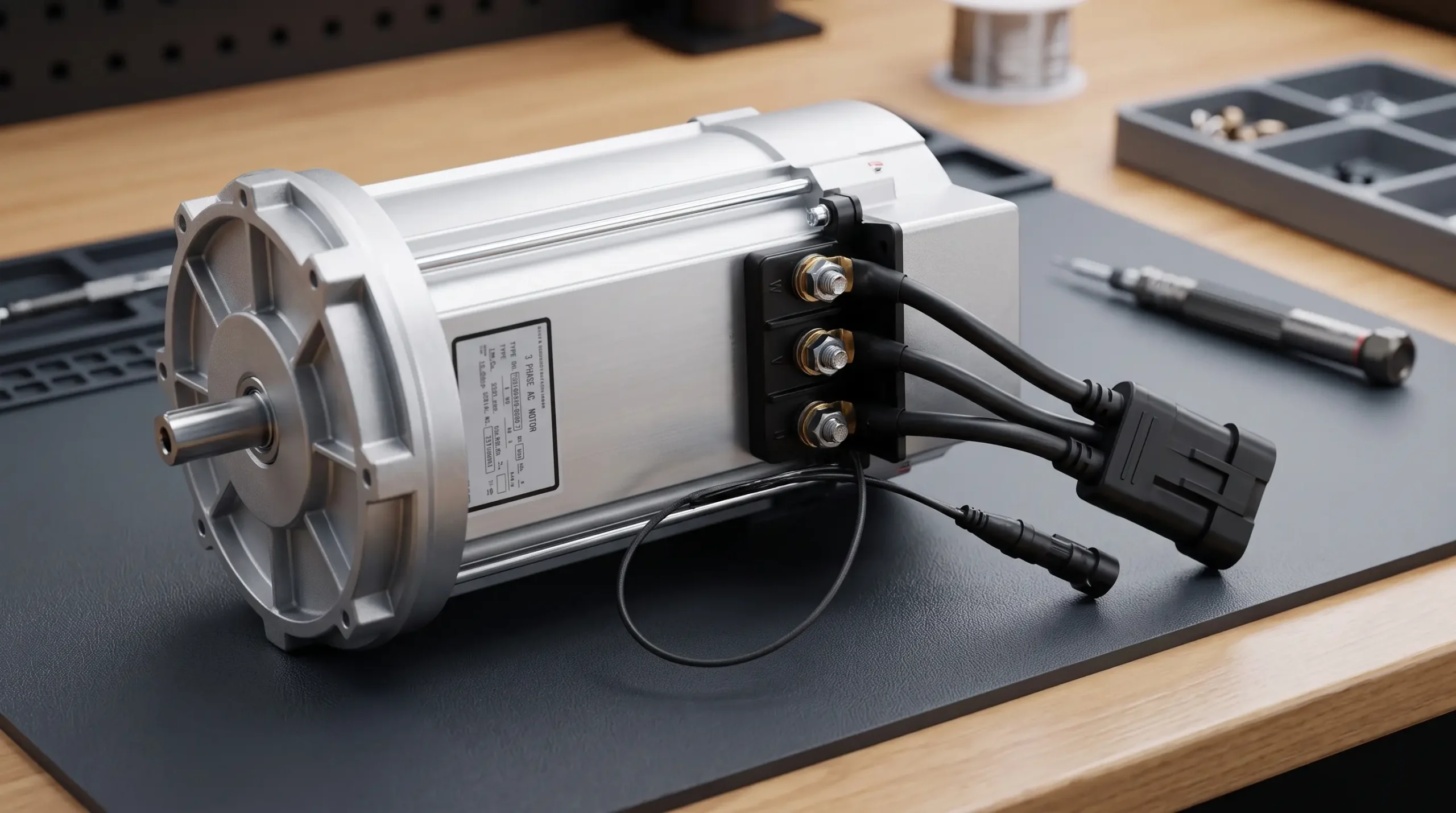
If your batteries and controller check out, the motor itself could be the issue.
Common Motor Problems
| Problem | Symptom | Cause |
|---|---|---|
| Worn brushes (DC motors) | Gradual loss of power, reduced speed | Normal wear over time |
| Damaged bearings | Grinding noise, sluggish performance | Wear, dirt, or lack of lubrication |
| Overheating | Cart loses power after extended use | Internal damage or poor cooling |
| Internal wear | Inconsistent power, jerky movement | Age or manufacturing defect |
What to Do
Listen for unusual noises — Grinding or whining indicates bearing or gear issues
Check motor temperature — If the motor is too hot to touch after normal use, there may be internal resistance
Have the motor professionally tested — Motor issues often require specialized equipment to diagnose
Consider AC motor conversion — If you have a DC cart experiencing chronic motor issues, upgrading to an AC motor eliminates brushes and significantly improves reliability
Sun-Cart uses Toyota-supplier AC motors with zero brushes, zero maintenance, and 90-95% efficiency. View our motor technology →
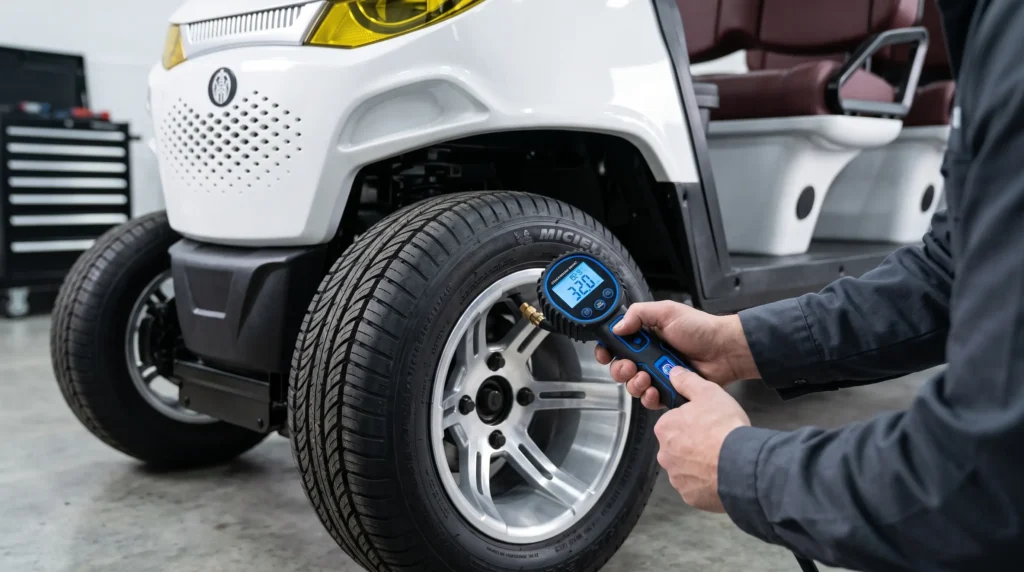
Sometimes the problem isn‘t electrical at all. Mechanical resistance can cause your cart to feel slow and sluggish.
Common Motor Problems
Tire pressure — Low tires create drag; check pressure (usually 18–22 PSI)
Brakes — Dragging brakes create significant resistance
Wheel bearings — Worn bearings increase friction
Alignment — Misaligned wheels create drag
Hand brake — Ensure it‘s fully released
Proper tire inflation and brake adjustment are essential for maintaining speed and efficiency.
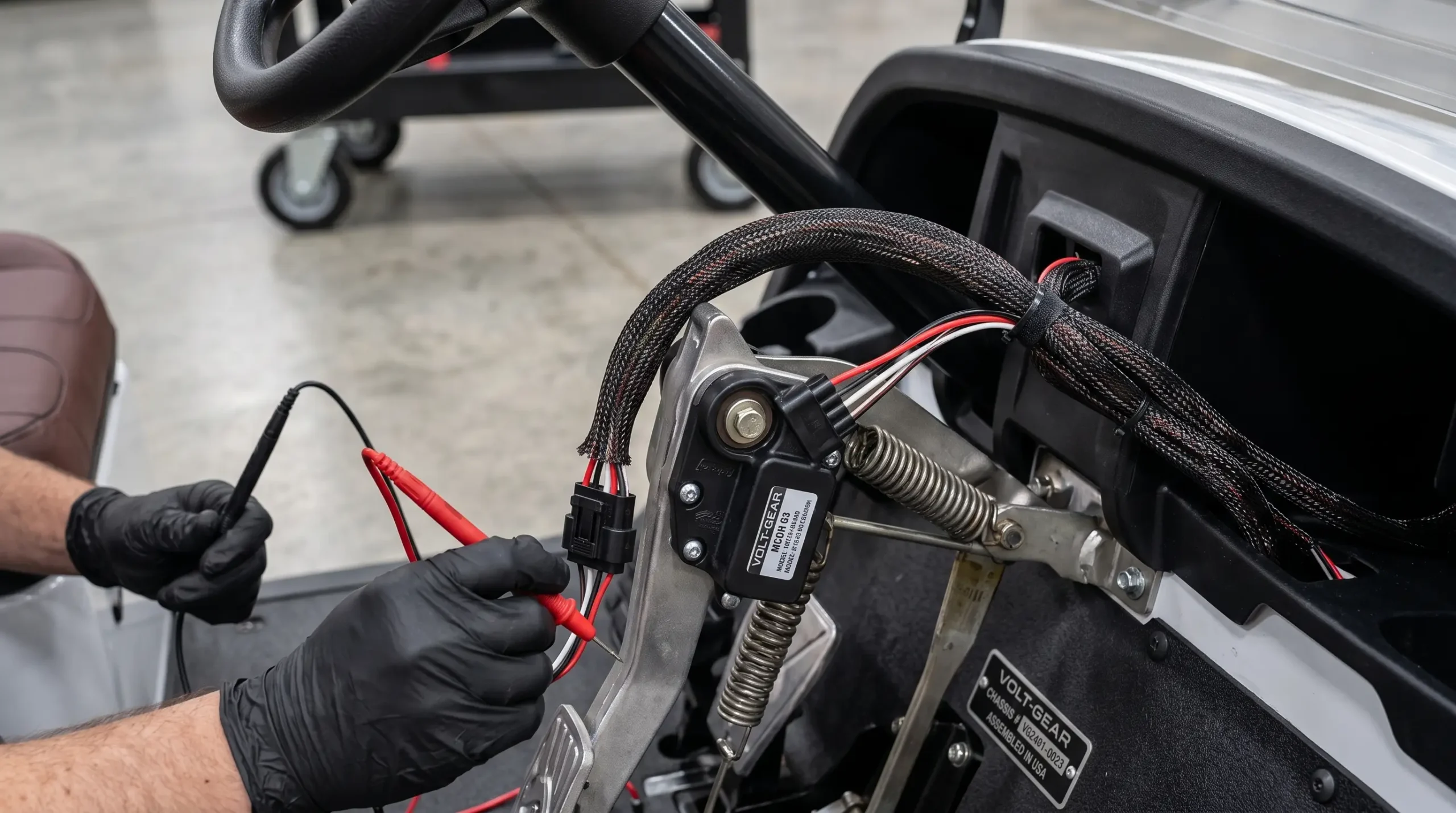
If your cart hesitates, doesn‘t start smoothly, or doesn‘t gain speed properly, the accelerator pedal (MCOR — Motor Controller Output Regulator) could be the issue.
Common Accelerator Issues
| Symptom | Likely Cause |
|---|---|
| Cart hesitates or jerks when starting | Bad microswitch or worn MCOR |
| Inconsistent acceleration | Failing throttle signal |
| Cart won‘t reach full speed | Throttle not sending full signal |
Quick Test
Listen for a click when pressing the pedal — this indicates the microswitch is working
If the cart jerks or hesitates, the MCOR may need adjustment or replacement
Check the linkage between the pedal and the MCOR
Why Sun-Cart Electric Golf Carts Stay Faster Longer
If you‘re experiencing chronic speed issues, it‘s worth asking: is it time to upgrade your equipment?
Sun-Cart electric golf carts are built to avoid the most common speed issues from the start:
Lithium battery technology — Consistent power output throughout the entire charge cycle, eliminating voltage sag
AC motors — No brushes to wear out, zero maintenance, and 90–95% efficiency
FOC smart controllers — Programmable speed limits, regenerative braking, and CAN bus diagnostics
IP66 waterproof rating — Controllers built for all-weather reliability, reducing moisture-related failures
5-year battery warranty — Long-term reliability and predictable performance
Sun-Cart electric golf carts are available in 2, 4, 6, and 8-seat configurations with 48V/72V lithium battery options. Get a quote →
Newsletter Updates
Enter your email address below and subscribe to our newsletter