Email:dennis@sun-cart.com Whatsapp:+86 13696971344
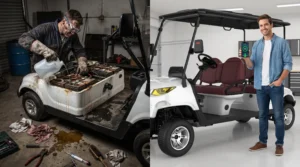
Why LiFePO₄ Lithium Batteries Are Becoming the Standard for Commercial Fleets
What fleet operators, resort managers, and golf course owners need to know — the battery technology that’s cutting costs and eliminating maintenance for commercial operations across North America.
If you’re managing a commercial golf cart fleet—whether for a resort, golf course, gated community, or corporate campus—you’ve likely noticed a shift in the industry. More and more fleet operators are moving away from traditional lead-acid batteries and adopting LiFePO₄ (lithium iron phosphate) technology.
This isn’t just a trend. It’s a fundamental change driven by hard numbers: lower total cost of ownership, dramatically longer lifespan, and near-zero maintenance. Here’s why LiFePO₄ is rapidly becoming the new standard for commercial fleets across North America—and what it means for your operation.
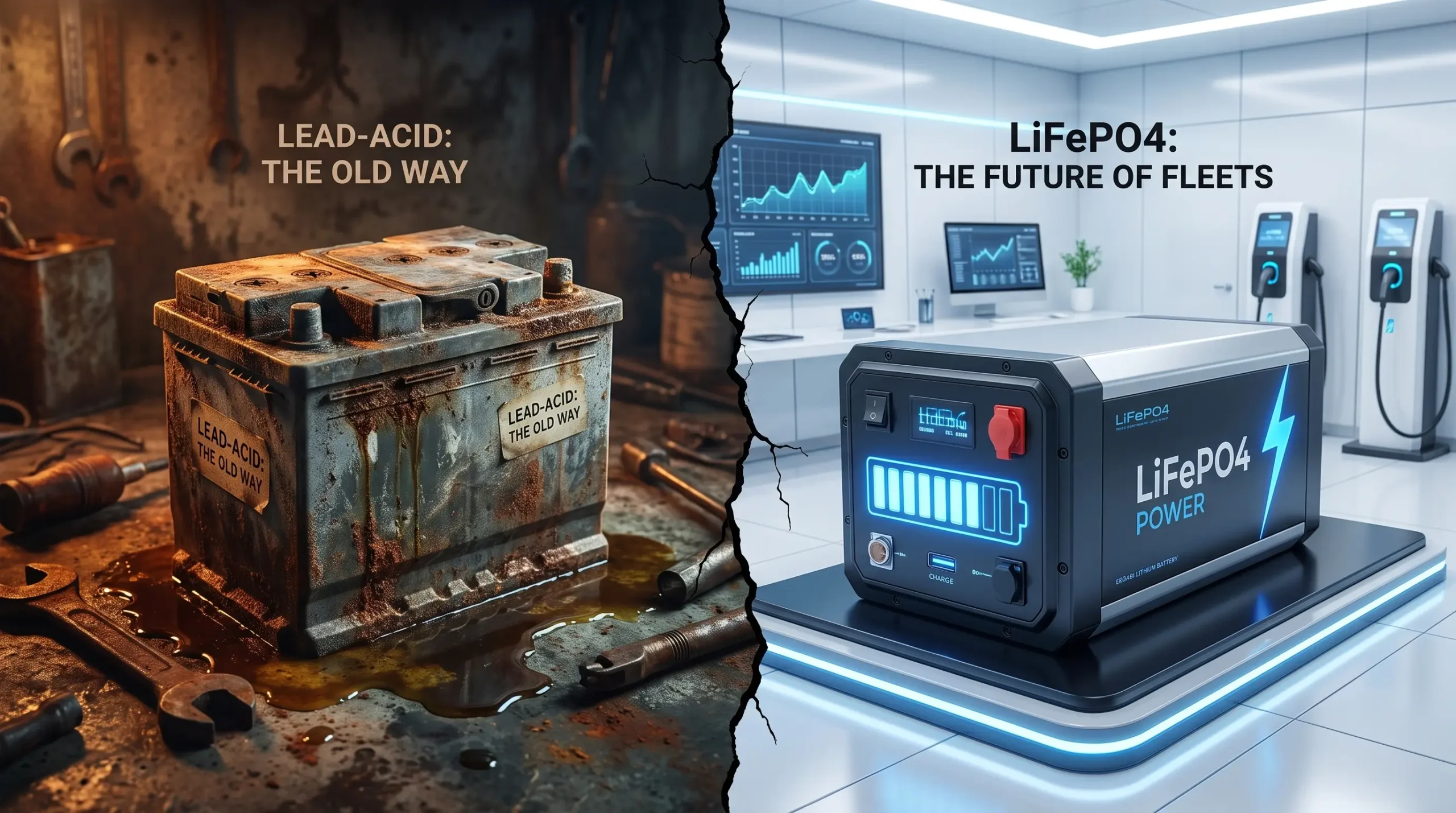
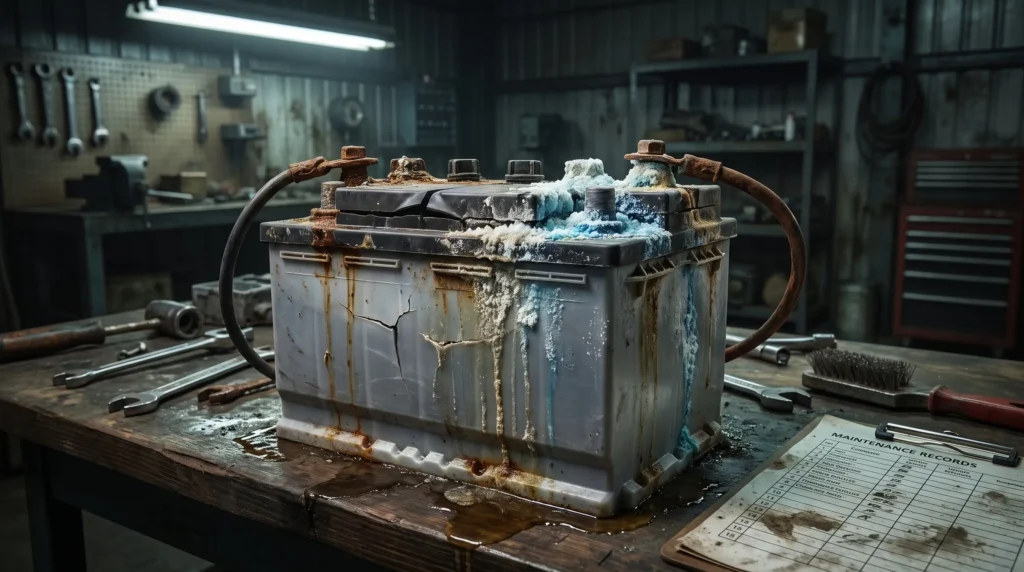
The Hidden Cost of Lead-Acid Batteries
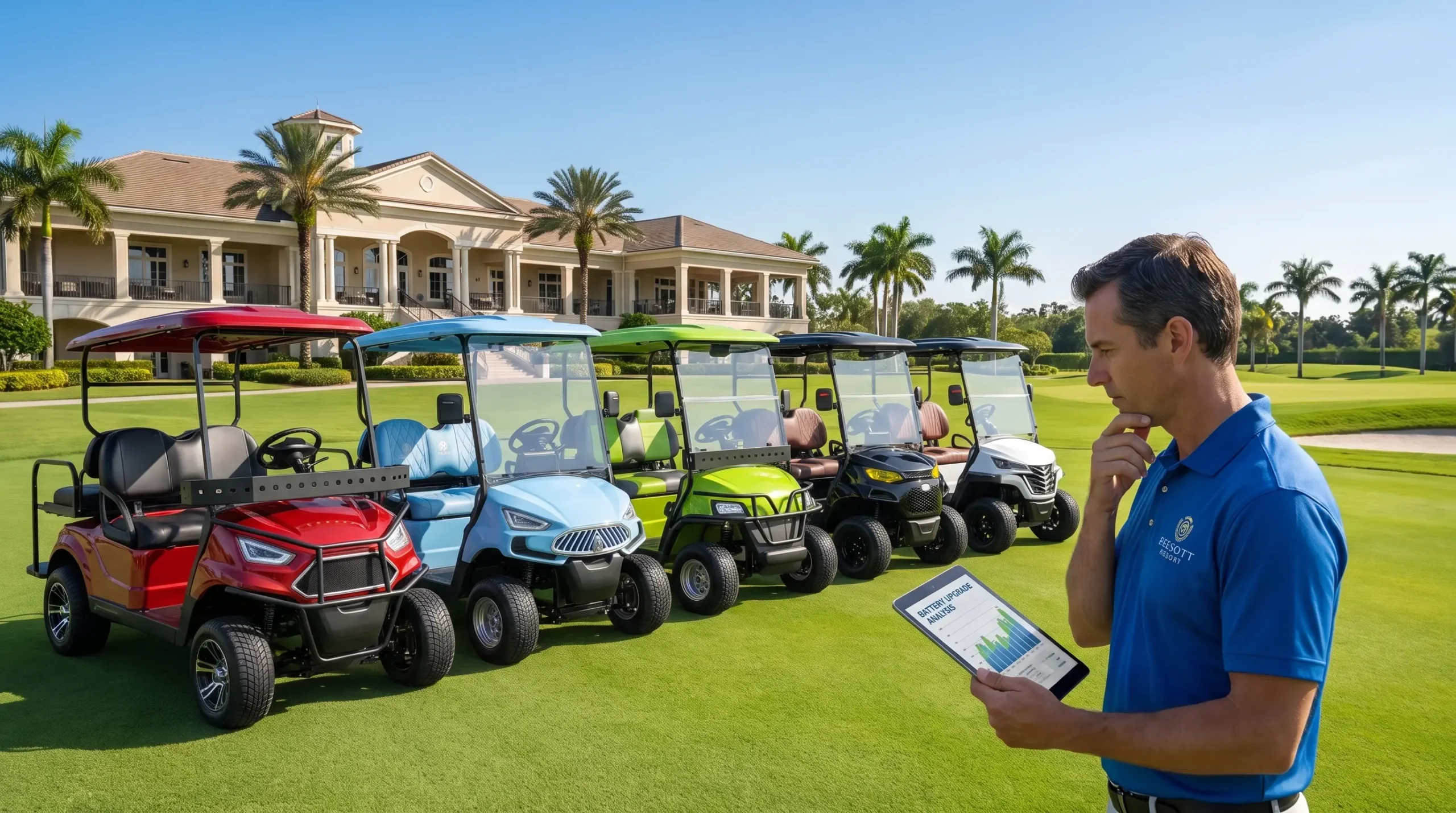
At first glance, lead-acid batteries appear to be the economical choice. A standard 48V lead-acid setup might cost $800–$1,200 upfront, while a premium 48V LiFePO₄ battery ranges from $1,500–$2,500. That 2–3x price difference can make fleet managers hesitate.
But here’s what that upfront cost doesn’t tell you: lead-acid batteries need to be replaced every 2–4 years. In a commercial operation where carts are in use 8–12 hours a day, that means 2–3 battery replacements per cart over a 10-year lifespan.
For a 60-cart fleet, replacing lead-acid batteries every 3 years means 20 carts worth of batteries each year—a recurring expense that never goes away.
This is why more commercial fleet operators are turning to LiFePO₄ battery manufacturers for long-term solutions rather than repeatedly buying lead-acid replacements.
Lifespan
The most dramatic difference is cycle life. Lead-acid batteries typically deliver 300–800 charge cycles. LiFePO₄ batteries, by contrast, consistently achieve 3,000–5,000 cycles to 80% remaining capacity.
That’s a 5–10x longer lifespan. While lead-acid batteries last 1–4 years, LiFePO₄ batteries last 8–12 years—making them the preferred choice for fleet battery suppliers serving commercial operations.
Weight Reduction
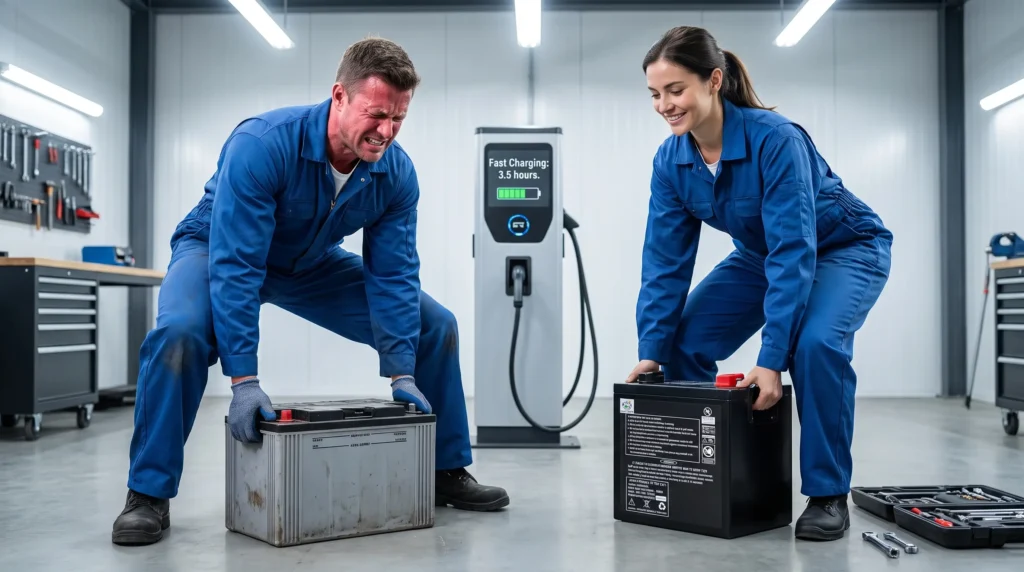
A typical lead-acid pack in a 48V golf cart weighs between 250 and 300 lbs. A lithium replacement brings that down to under 70 lbs—a reduction of up to 300 pounds.
Why does this matter? Less weight means:
Reduced wear on tires, brakes, and suspension components
Improved handling and acceleration
Extended range on a single charge (20–30% more range)
Charging Speed
Lead-acid batteries take 8–10 hours to fully charge. LiFePO₄ batteries can charge from 0–100% in 3–4 hours. For a fleet that operates continuously, this means fewer carts sitting idle and more time in service.
Charge Efficiency
LiFePO₄ batteries achieve 99% charge efficiency, compared to lead-acid’s 70–85% efficiency. Fleet managers report 19% lower electricity bills after switching. A 10kW daily charge cycle consumes 12.5kWh with lead-acid vs. 10.5kWh with lithium—saving approximately **$0.30 per day per cart** at $0.12/kWh.
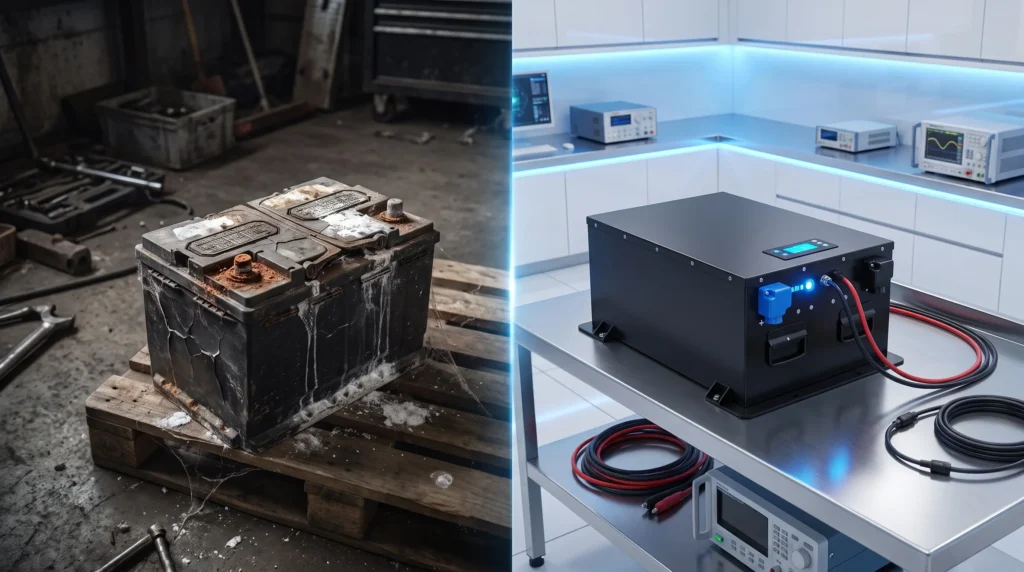
The LiFePO₄ Advantage: By the Numbers
Total Cost of Ownership: What the Math Actually Looks Like
Here’s where the numbers get compelling.
| Cost Component | Lead-Acid | LiFePO₄ |
|---|---|---|
| Initial battery cost | $1,000 | $2,200 |
| Replacement batteries (years 3-5) | $1,000 | $0 |
| Maintenance (labor, water, cleaning) | $400 | $50 |
| Energy costs (5 years) | $500 | $400 |
| 5-Year Total | ~$2,900 | ~$2,650 |
*Estimates based on industry averages for 48V systems.
For a 30-cart fleet, the five-year total typically lands around $4,200 per cart for lithium versus $6,800 for lead-acid—assuming two lead-acid replacements over that period.
For a 50-cart fleet, that’s a 5-year savings of over $130,000.
And the savings scale. One industry analysis shows fleet operators save $2,100–$3,800 per cart over 5 years through reduced replacement frequency and downtime. For a 100-cart fleet, that translates to $210,000–$380,000 in savings.
SUN-CARTS, as a leading electric golf cart manufacturer, offers factory-direct LiFePO₄ battery solutions that eliminate the middleman markup—delivering commercial-grade quality at wholesale prices.
The numbers aren’t just theoretical. Commercial fleets across the U.S. are already seeing the benefits.
Pelican Sands Golf Club, Florida
This 72-cart fleet upgraded to 48V lithium batteries to solve slow charging and high maintenance headaches. The result? Faster turnaround between rounds, fewer carts out of service, and significantly reduced labor costs.
Disney’s Orlando Fleet
After switching to lithium, Disney’s fleet reported 60% fewer battery replacements. The upfront cost was higher, but ROI kicked in by year two through reduced maintenance and downtime.
A Florida Rental Company
A rental operation achieved full ROI in 26 months through increased rental uptime—carts that used to be out of service for charging and maintenance were now available for rental.
Golf Resort Fleet
One resort reported 10-year battery costs of $120,000+ for lead-acid vs. $40,000 for lithium—a 60% reduction. Their maintenance costs dropped to near zero.
As a US-based manufacturer with warehouse stock in North America, SUN-CARTS provides rapid fulfillment for fleet battery orders across the United States.
Real-World Fleet Results
The Maintenance Advantage: What You Stop Doing

Switching to LiFePO₄ doesn’t just save money—it saves time and hassle. Here’s what you eliminate:
No More Watering
Lead-acid batteries require regular watering to maintain electrolyte levels. Lithium batteries are sealed and need zero fluid checks.
No More Equalization Charges
Lead-acid batteries need periodic equalization charges to balance cells. LiFePO₄ batteries don’t.
No More Terminal Corrosion
Lead-acid terminals corrode over time, requiring cleaning and replacement. Lithium terminals stay clean.
No More Seasonal Storage Hassles
Lead-acid batteries self-discharge at 30% per month. LiFePO₄ batteries self-discharge at just 3% per month. You can store lithium batteries for months without worrying about sulfation.
For a 20-cart fleet, eliminating these tasks saves 25–40 labor hours annually. For a 100-cart fleet, that’s 125–200 hours—the equivalent of 3–5 weeks of full-time labor.
This is why leading OEM suppliers and custom battery solution providers recommend LiFePO₄ for commercial operations. The maintenance savings alone often justify the upgrade.
The industry is shifting rapidly. The global golf cart battery market was valued at $591.6 million in 2025 and is projected to grow at a CAGR of 12.8% to reach $2.1 billion by 2035.
Advancements in battery chemistry and cell engineering are accelerating a meaningful migration away from legacy lead-acid systems toward higher energy-density lithium-ion solutions.
This isn’t a niche trend anymore—it’s becoming the industry standard. Fleet battery suppliers and manufacturers are scaling production to meet surging demand from North American commercial fleets.
Why Now? The Market Is Moving

What This Means for Your Fleet

If you’re still running lead-acid batteries in your commercial fleet, you’re likely losing somewhere between $1,500 and $2,400 per cart over the next decade compared to operations that have already switched.
The question isn’t whether to switch—it’s when.
When to Make the Move
- If your current batteries are approaching end-of-life: Replace with LiFePO₄ instead of another set of lead-acid.
- If you’re expanding your fleet: Start with lithium from day one.
- If you’re tired of maintenance headaches: The labor savings alone can justify the switch.
Operations cycling batteries more than twice daily typically see payback in 24–36 months. For high-use operations, ROI breakeven can happen as early as 18 months.
Need a reliable battery supplier for your commercial fleet? SUN-CARTS offers factory-direct LiFePO₄ batteries with US stock for fast delivery across North America.
Frequently Asked Questions
What is the lifespan of a LiFePO₄ battery compared to lead-acid?
▾
LiFePO₄ batteries typically last 8–12 years (3,000–5,000 cycles), while lead-acid batteries last 1–4 years (300–800 cycles). Learn more about battery technology →
Do LiFePO₄ batteries require maintenance?
▾
No. LiFePO₄ batteries are completely maintenance-free. No watering, no equalization charges, no terminal cleaning.
Are LiFePO₄ batteries worth the higher upfront cost?
▾
Yes. Over 5–8 years, LiFePO₄ batteries deliver 30–50% lower total cost of ownership compared to lead-acid. Contact our team for a custom ROI calculation.
Can I upgrade my existing fleet to LiFePO₄ batteries?
▾
Yes. Most commercial golf carts can be retrofitted with LiFePO₄ batteries. Consult your battery manufacturer or supplier for compatibility details.
Does SUN-CARTS offer battery solutions for commercial fleets?
▾
Yes. SUN-CARTS provides factory-direct LiFePO₄ battery solutions with US warehouse stock and wholesale fleet pricing.
The Bottom Line
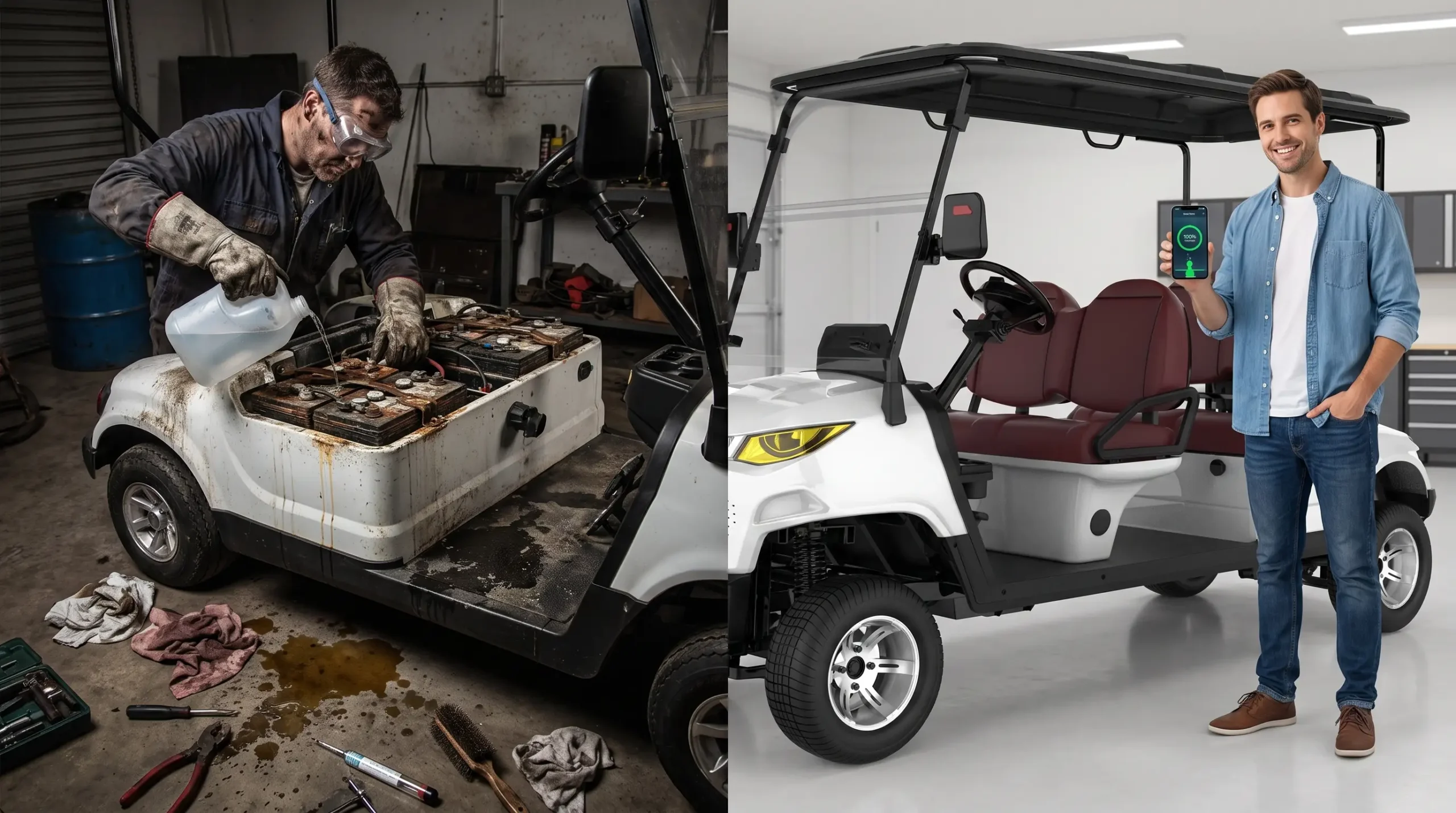
LiFePO₄ lithium batteries represent a fundamental upgrade for commercial golf cart fleets. Yes, the upfront cost is higher. But when you factor in:
- 5–10x longer lifespan
- 40–60% lower lifetime costs
- Zero maintenance
- Faster charging
- 300+ lbs weight reduction
- 30–50% lower total cost of ownership over 5–8 years
The math becomes clear: LiFePO₄ isn’t just the future—it’s the smarter investment today.
According to the U.S. Department of Energy, when factoring in maintenance, downtime, and replacement, lithium batteries can lower total cost of ownership by 30% to 50% over 5 to 8 years.
For commercial fleet operators, that’s not just an improvement. It’s a competitive advantage.
Ready to calculate the savings for your fleet?
Contact SUN-CARTS for a custom ROI analysis, fleet consultation, and wholesale pricing. As a leading electric golf cart manufacturer with US stock, we deliver factory-direct LiFePO₄ battery solutions for commercial fleets across North America.