Email:dennis@sun-cart.com Whatsapp:+86 13696971344
Electric vs Gas Golf Carts: Which One Saves You More Money in 2026?
Why Your Golf Cart‘s Battery Matters More Than Ever
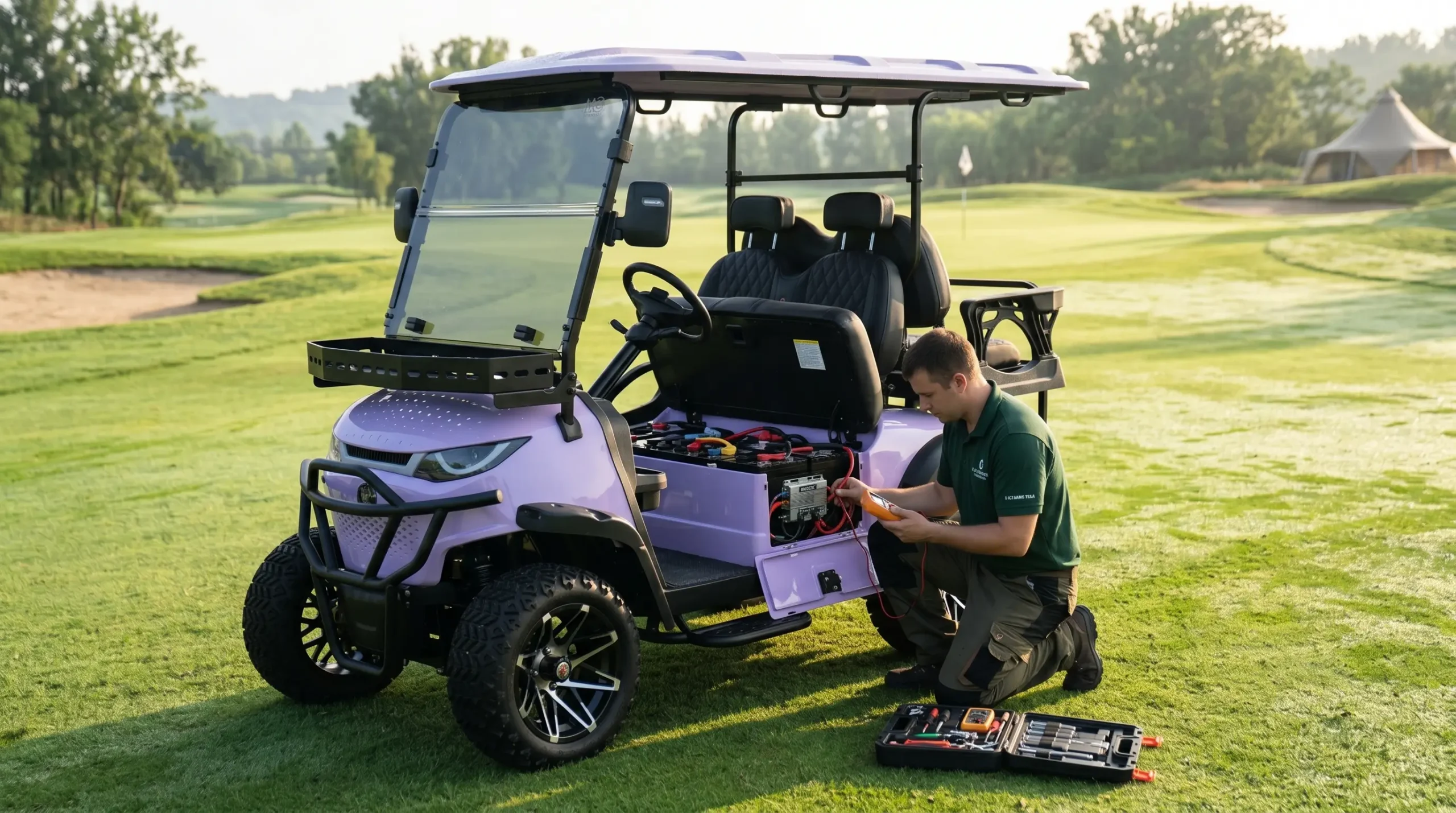
The battery isn‘t just a component—it’s the heart of your electric golf cart. It determines how far you can go, how often you need to charge, how much maintenance you‘ll perform, and ultimately, how much your cart costs to own.
Yet most golf cart owners don’t think about their battery until it dies—usually 2-3 years after purchase when they‘re facing a $1,000+ replacement bill and days of downtime.
This guide covers everything you need to know about upgrading from lead-acid to lithium-ion technology in 2026, including real cost comparisons, performance differences, and a simple payback calculation.
Lead-Acid – The Traditional Choice
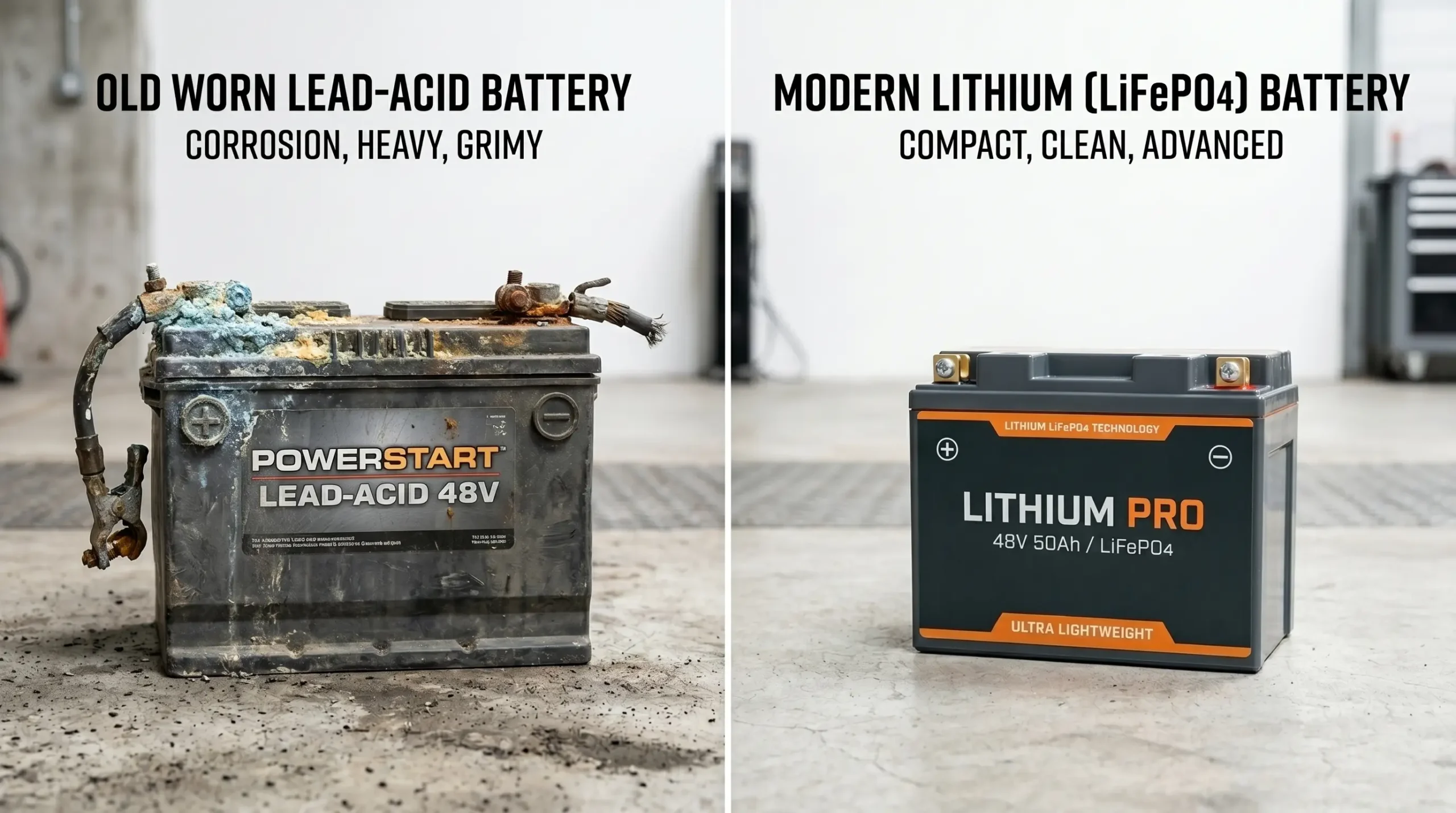
Lead-acid technology has been around for over 150 years. It‘s reliable, proven, and cheap to buy upfront—typically $800-$1,200 for a full set. However, lead-acid batteries are heavy (280+ lbs), require regular maintenance (watering terminals monthly), and need replacement every 2-3 years. They also suffer from “Peukert‘s effect”——the faster you drive, the less capacity you get.
Lithium-Ion (LiFePO₄) – The Modern Solution
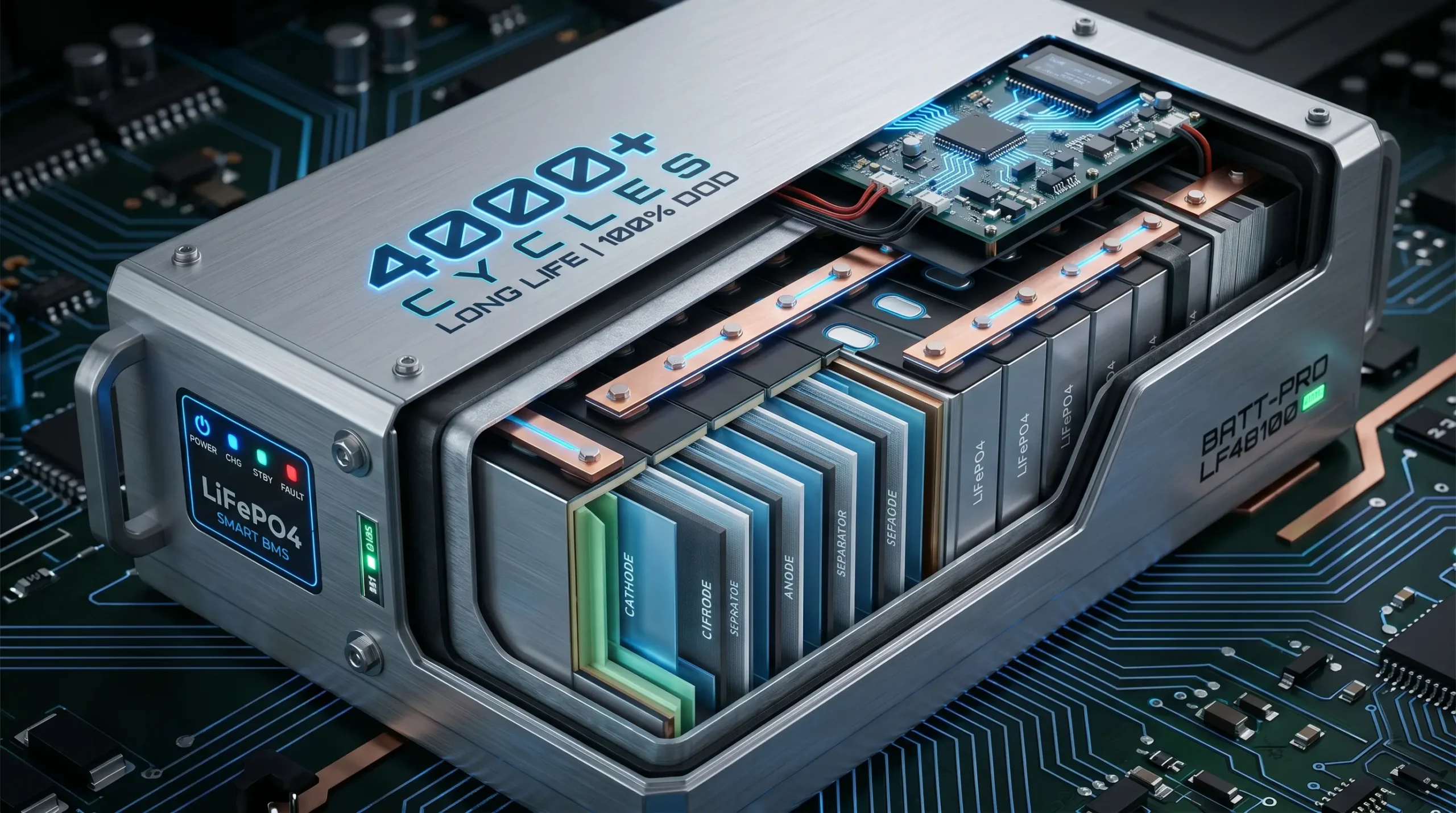
Lithium Iron Phosphate (LiFePO₄) batteries are the newest standard in golf cart power. They‘re lighter (under 100 lbs), maintenance-free, and deliver over 4,000 cycles (8-10 years of life)——4x longer than lead-acid. They also maintain consistent power output until the battery is nearly empty, unlike lead-acid which slows down as it drains.
Why Lithium Batteries Are Taking Over in 2026
Why Lithium Batteries Are Taking Over in 2026
Industry data shows the shift is accelerating rapidly. The global electric golf cart market is projected to grow from $1.7 billion in 2026 to $3.3 billion by 2035, driven largely by lithium battery adoption【1†L1-L3】. Here‘s why:
Lighter weight: Lithium batteries weigh 70% less than lead-acid, improving cart speed, range, and reducing wear on tires and brakes.
Faster charging: 2-3 hours to 80% vs. 8-10 hours for lead-acid.
No maintenance: No watering, no terminal cleaning, no acid spills.
Higher efficiency: 95% energy efficiency vs. 75% for lead-acid, meaning more of every charge goes to moving your cart.
Total Cost of Ownership (TCO): The Numbers Don’t Lie
Let‘s compare the real cost of owning lead-acid vs. lithium batteries over 8 years:
| Cost Factor | Lead-Acid | Lithium (LiFePO₄) |
|---|---|---|
| Upfront Cost | $800 – $1,200 | $2,000 – $4,000 |
| Replacement (8 years) | 2-3 times ($1,600 – $3,600) | 0 times ($0) |
| Maintenance (watering, cleaning) | $300 – $600 | $0 |
| Annual Energy Cost (based on 2,000 miles) | ~$150 | ~$100 |
| 8-Year Total | $2,850 – $5,550 | $2,100 – $4,100 |
Key insight: While lithium costs more upfront, the total cost of ownership over 8 years is actually $750-$1,450 lower. Factor in the convenience of zero maintenance and faster charging, and lithium is the clear winner for most applications.
Real-World Performance Differences
Real-World Performance Differences
Range and Hill Climbing
Lithium batteries deliver consistent power throughout the discharge cycle. Your golf cart maintains full speed even when the battery is at 20% capacity. Lead-acid batteries slow down noticeably as they drain—a problem on long courses or hilly terrain.
A 72V lithium system handles up to 30% gradeability, making it ideal for mountain resorts and hilly communities.
Charging Speed and Convenience
Lead-acid: 8-10 hours for a full charge. Miss a night of charging, and you‘re running on fumes the next day.
Lithium: 2-3 hours to reach 80% capacity. A lunch break is enough to top off and finish the day. This is a game-changer for commercial fleets.

The Maintenance Nightmare of Lead-Acid
Many golf cart owners don‘t realize how much work lead-acid batteries require:
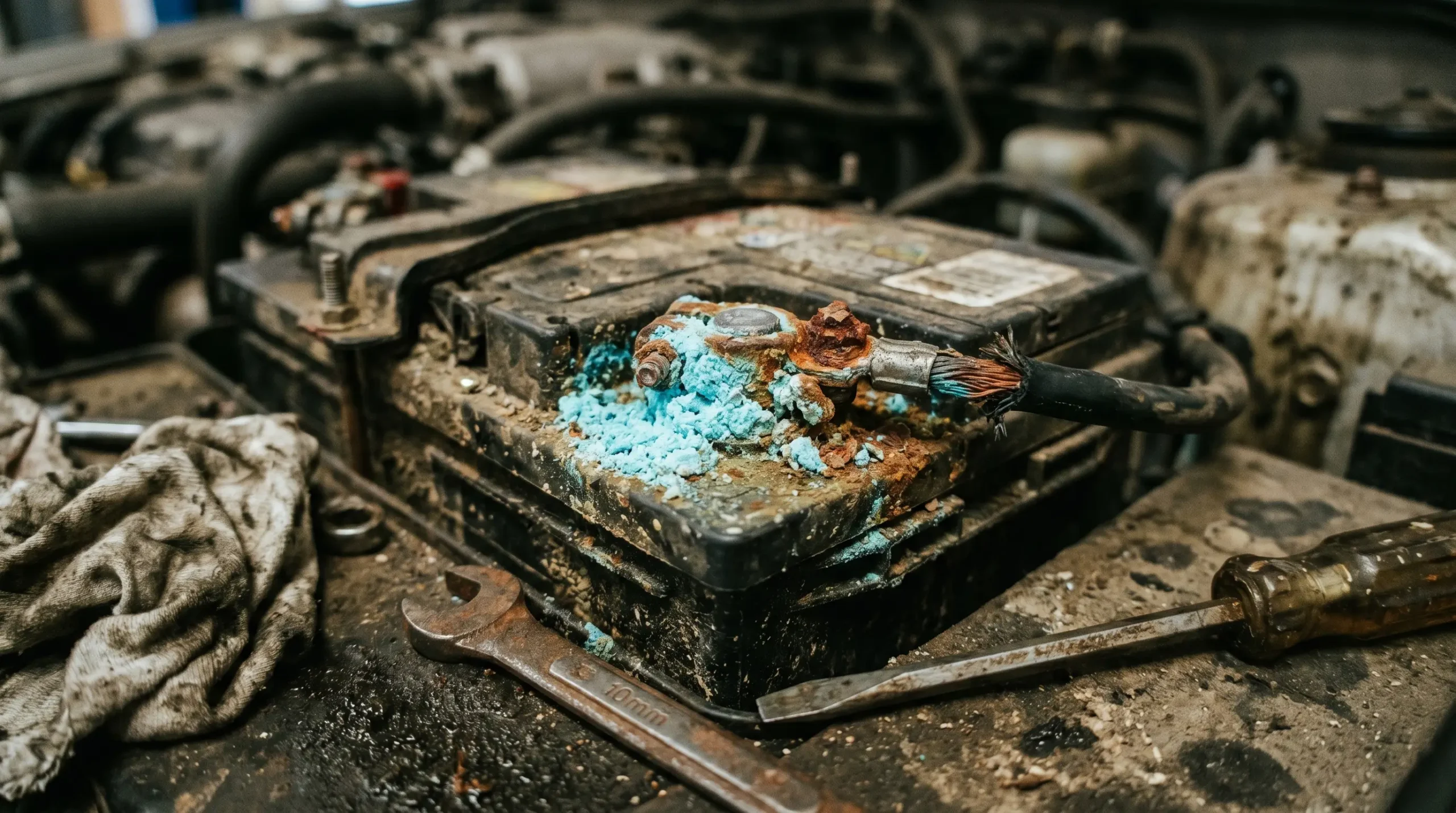
Watering: You must check water levels monthly and top off with distilled water. Let plates go dry, and the battery is permanently damaged.
Terminal cleaning: Corrosion builds up constantly, requiring regular cleaning to maintain electrical contact.
Acid spills: Lead-acid batteries vent hydrogen gas and can leak acid, damaging your cart’s frame and components.
Equalization charges: Every few months, you need to perform an overcharge to balance the cells.
With lithium batteries, none of this applies. They‘re completely sealed, maintenance-free, and spill-proof.
Is Lithium Worth the Upgrade? Here‘s How to Decide
Upgrade is a no-brainer if:
✅ You use your cart daily (golf course, resort, community transport)
✅ You live in a hilly area and need consistent power
✅ You hate maintenance and want a “charge and go” experience
✅ You plan to keep your cart for 5+ years
✅ You want better resale value (lithium carts sell for $500-$1,000 more)
You might stick with lead-acid if:
❌ You use your cart only a few times per month
❌ You‘re on a tight budget and can’t afford the upfront cost
❌ You plan to sell the cart within 1-2 years
The 2026 Outlook for Lithium Golf Cart Batteries
The market is moving fast. By 2026, most new electric golf carts ship with lithium batteries as standard equipment. Here‘s what‘s driving the shift:
Price parity: Lithium battery prices have dropped 80% over the past decade and continue falling. The upfront gap is closing rapidly.
Smart BMS: Modern lithium batteries include Bluetooth-enabled Battery Management Systems (BMS) that let you monitor state of charge, cell balance, and estimated range from your phone.
Cold weather performance: Heated lithium battery packs now operate reliably below freezing, addressing a key historical concern.
Sustainability: Lithium batteries are more energy-efficient and contain no toxic lead or acid, aligning with environmental goals.

How long do lithium golf cart batteries really last?
Industry data confirms 4,000+ cycles at 80% depth of discharge. For most owners, that‘s 8-10 years of normal use. You may never replace the battery.
Are lithium batteries safe?
LiFePO₄ is the safest lithium chemistry. It has exceptional thermal stability, withstands temperatures up to 300°C, and poses no risk of thermal runaway or fire.
Can I install a lithium battery in my old lead-acid cart?
Yes. Most lithium batteries are designed as drop-in replacements. Just verify voltage matches (most systems are 48V) and confirm physical dimensions fit your battery compartment.
Do lithium batteries work in cold weather?
Yes, but with reduced range below freezing. Heated battery packs eliminate this issue for cold-climate users. Garage storage and keeping the battery charged above 50% helps maintain performance.
What is the warranty?
Typically 3-5 years, depending on usage frequency and local energy costs. For daily-use fleets, the payback period is even shorter .
Do electric carts perform well in cold weather?
Sun-Cart LiFePO₄ batteries come with a standard 5-year warranty—far longer than lead-acid (usually just 1-2 years).
Conclusion
Conclusion
The math is clear. Over 8 years, lithium batteries cost less to own, perform better, and require zero maintenance. The initial price gap continues to narrow, and financing options make the upgrade more accessible than ever.
Stop watering batteries. Stop cleaning terminals. Stop worrying about range. Go lithium.
Get the latest information on our products
/ solutions that meet your needs
Get the latest information on our products / solutions that meet your needs
Newsletter Updates
Enter your email address below and subscribe to our newsletter