Email:dennis@sun-cart.com Whatsapp:+86 13696971344
Hidden Costs of Golf Cart Ownership: Why Lithium Fleets Are Dominating
What Your Golf Cart Isn‘t Telling You
Your golf cart‘s most expensive component is the one you rarely see. Ask any fleet manager: the battery and motor system determine whether you’re investing in an asset that serves you reliably for the next decade or a vehicle that drains time and money through repairs.
Most buyers focus entirely on price. Yet over the long term, the difference between a high-quality electric system and a budget alternative isn‘t measured in dollars—it’s measured in uptime, productivity, and total cost of ownership.
By 2026, the shift toward lithium-based electric golf carts has completely rewritten ownership economics. The question is no longer “Are electric carts better?” It’s “Which electric system delivers the lowest total cost of ownership?”

The Economics of Ownership: Upfront Price vs. Total Cost of Ownership (TCO)
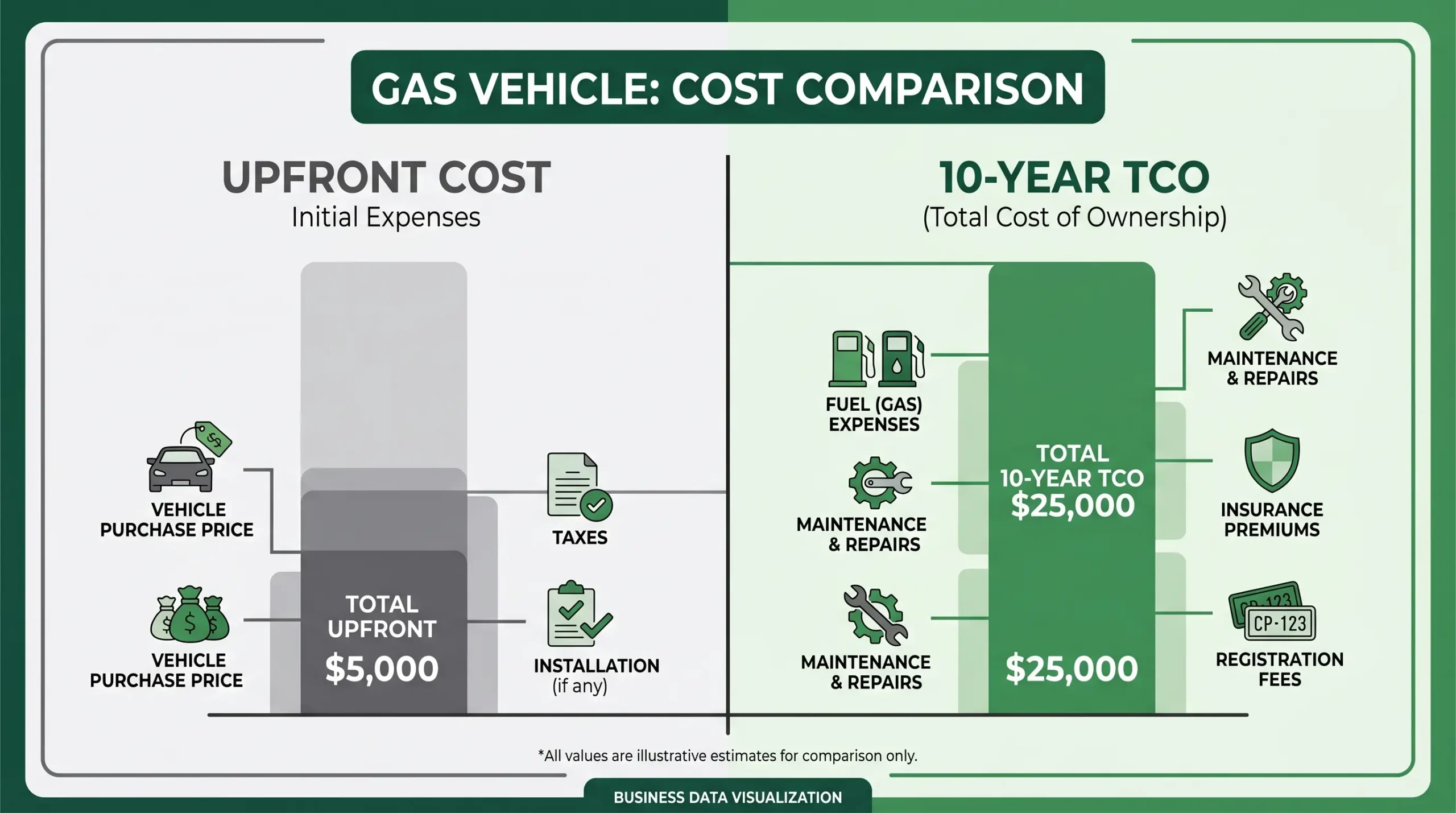
When comparing electric golf carts, the purchase price often misleads. A cart with lead-acid batteries may carry a lower sticker price, but within three to five years, you‘re likely facing a battery replacement costing $800 to $2,000—and potentially a second replacement before the decade is out [12†L14-L15].
TCO isn’t a theory; it‘s a calculation.
According to comprehensive industry analysis, a basic new electric golf cart in 2026 typically falls into the $9,000-to-$11,500 range for fleet-style models. But that initial investment is just the starting point [13†L14-L15]. For lithium-powered models, high quality retains value: a three-year-old cart holds approximately 70 percent to 75 percent of its original value, a significant departure from the steep depreciation of lead-acid units [13†L28-L30].
Here‘s where the math shifts decisively. A well-engineered lithium pack can cut total cost of ownership by 30 to 50 percent over five years while dramatically improving reliability [10†L9-L10]. Over a decade, electric carts typically cost $3,000 to $4,000 less to own than gas counterparts, despite higher upfront prices [0†L37-L40].
The savings come from three factors:
Lower energy consumption (pennies per mile)
Near-zero maintenance (no oil changes, no filters, no engine tune-ups)
Longer battery life (eight to twelve years versus three to five for lead-acid)
Lithium vs. Lead-Acid
Lithium vs. Lead-Acid
The global golf cart battery market is projected to grow at roughly 5 to 7 percent annually through 2030, driven by demand for eco-friendly, low-noise transport across courses and communities [10†L12-L16]. Yet despite this growth, lead-acid still accounts for approximately 60 percent of current sales, leaving a significant gap between what fleets need and what they actually use [10†L16-L18].
The gap matters because lead-acid batteries—cheap to buy—are expensive to own.
Battery Lifespan: The Decade-Long Difference
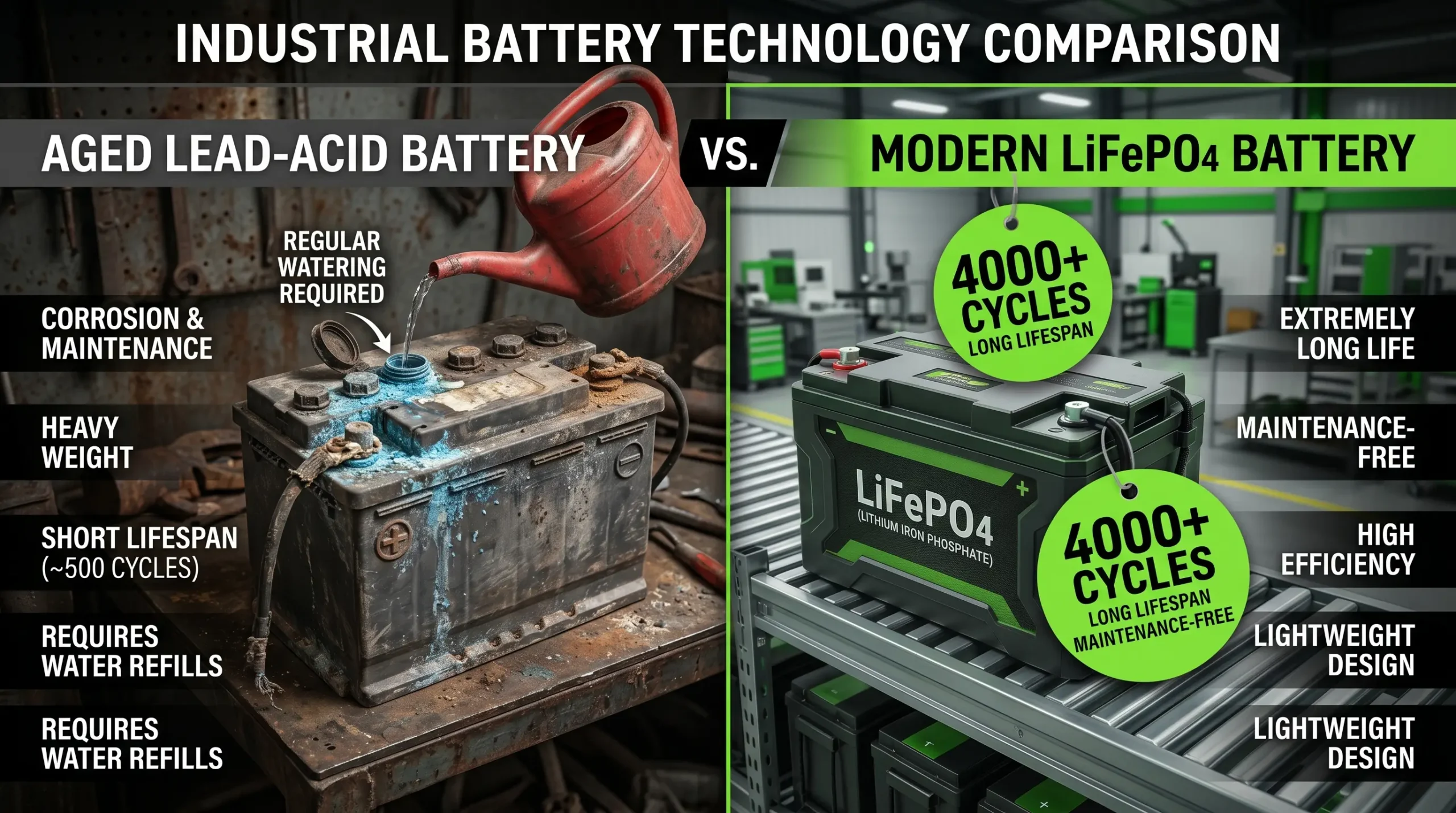
A typical 48V lead‑acid pack costs about 30 to 40 percent less at purchase, but its usable cycle life is 300 to 500 cycles, compared with 2,000 to 5,000 cycles for a quality LiFePO₄ pack [10†L35-L37]. In calendar terms:
| Battery Type | Typical Lifespan | Cycle Life |
|---|---|---|
| Flooded Lead-Acid | 3 – 5 years | ~500 – 1,000 cycles |
| AGM / Gel | 4 – 7 years | ~700 – 1,200 cycles |
| Lithium (LiFePO₄) | 8 – 12 years | 3,000 – 6,000 cycles |
*Based on 2026 industry data [11†L17-L19].* In practical terms, lithium batteries often outlast the vehicle itself—a single installation serving a full decade of daily operation.
Maintenance: Water vs. Walk Away
Lead-acid batteries demand regular watering, equalization charges, and careful state-of-charge management. If charging practices are inconsistent, lifespan drops sharply, forcing early replacement [10†L38-L41]. Industry data shows roughly 43 percent of operators report that frequent battery replacements are a major drag on profitability, especially when carts are used multiple rounds per day [10†L20-L22].
Lithium systems are largely maintenance‑free—no water, no cleaning, no equalization. Lead-acid also loses voltage as it discharges, slowing carts toward the end of a round and struggling on hills. Lithium maintains a flatter voltage curve, delivering consistent speed and torque throughout the day [10†L43-L46].
AC vs. DC Motors
AC vs. DC Motors
The motor type is the other major factor. AC induction motors have become the preferred choice for modern carts because they outperform DC motors in power, efficiency, and durability while requiring significantly less maintenance [14†L33-L34].
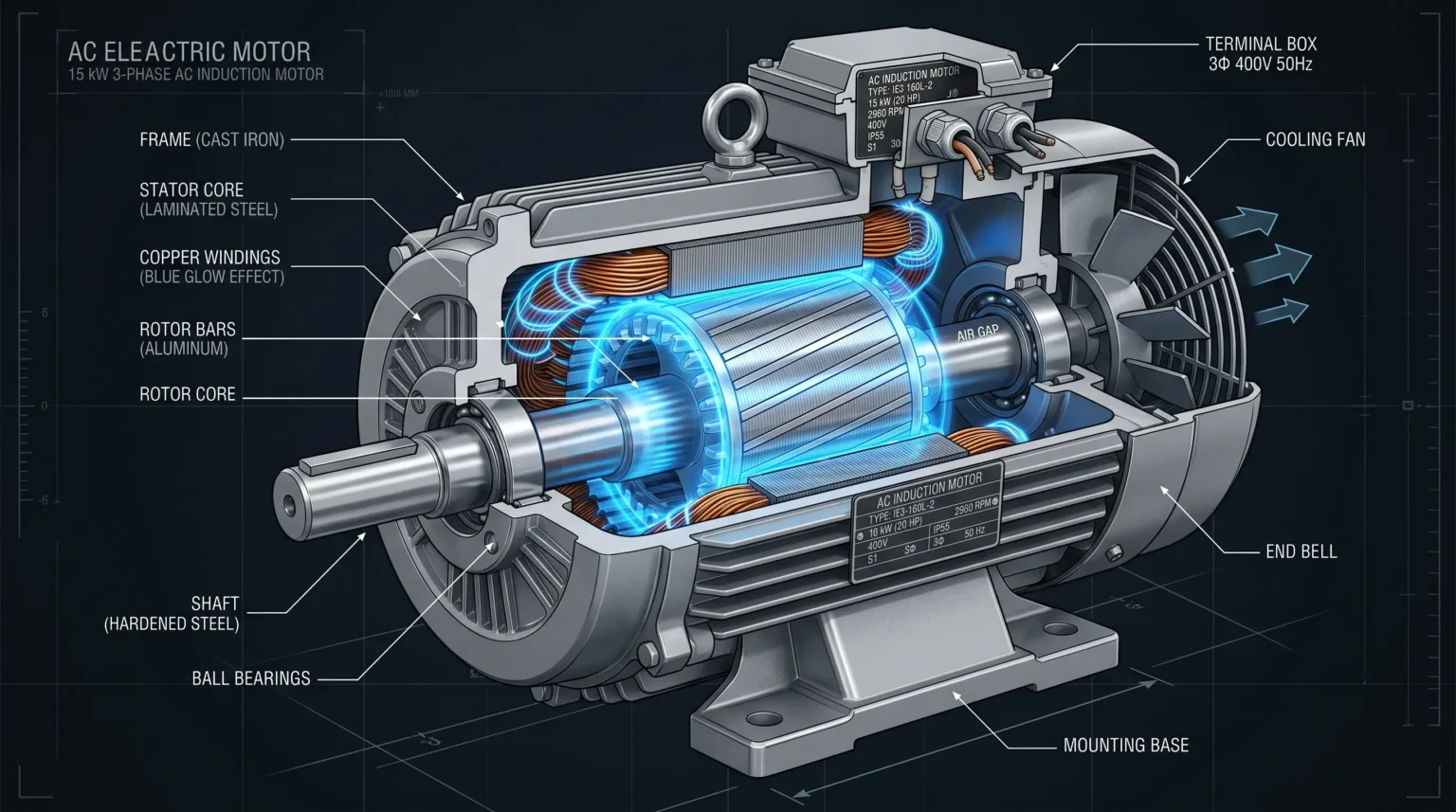
Key Differences
| Feature | DC Motor | AC Motor |
|---|---|---|
| Energy Efficiency | 70 – 80% | 90 – 95%* |
| Brushes | Yes—wear items requiring replacement | No brushes—zero maintenance |
| Torque at Low Speed | Moderate | High (max torque at 0 RPM) |
| Regenerative Braking | No | Yes—extends range |
| Overheat Resistance | Limited | Superior thermal management |
*Sources: AC motors operate more efficiently, requiring less electrical energy to perform the same work compared to DC motors [14†L14-L15].*
The Performance Impact on Operations
AC motors deliver higher torque and better sustained power, translating to improved hill climbing and overall performance in demanding terrain and under heavier loads [14†L11-L13]. In stop-and-go operations (resort shuttles, community patrol, course operations), AC acceleration is smoother and quicker, improving the driver experience and reducing mechanical wear [14†L21-L22].
Longer battery life and extended range mean fewer charging interruptions during peak hours [14†L16-L17]. The regenerative braking system is also more consistent and efficient, helping recharge batteries during deceleration while reducing brake wear [14†L26-L28]. Finally, superior thermal management keeps AC motors running cooler in demanding conditions [14†L29-L30].
For operators running consistent daily schedules, the efficiency advantage compounds year over year.
Fleet Operations
Fleet Operations
For commercial operations, efficiency isn‘t just about energy—it’s about how many hours each vehicle stays productive.
Weight, Turf, and Wear
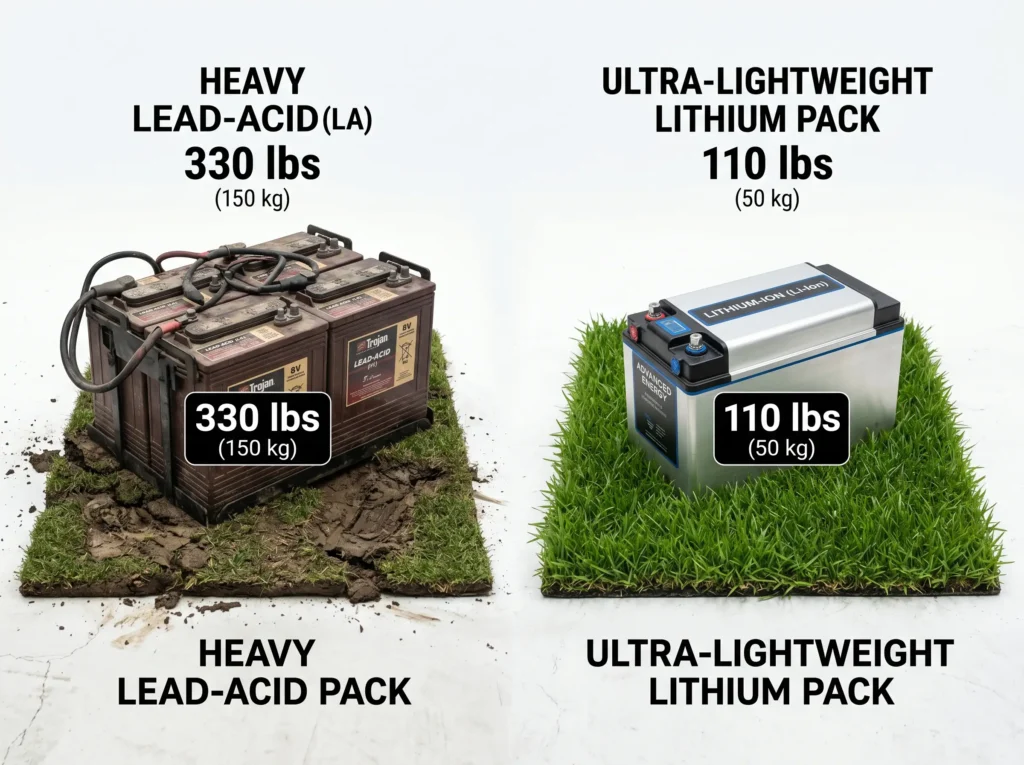
A standard 48V lead-acid pack can weigh upwards of 330 pounds (150 kg). Switching to a lithium solution sheds roughly 220 pounds (100 kg) of dead weight [16†L28-L30]. This reduction means:
The motor requires significantly less torque (and therefore less current) to navigate inclines [16†L31-L32].
Lighter vehicles cause less soil compaction and fewer ruts on fairways, directly reducing landscaping costs [16†L33-L36].
Every component—tires, brakes, suspension—experiences less cumulative strain.
Fast Charging: The Uptime Multiplier
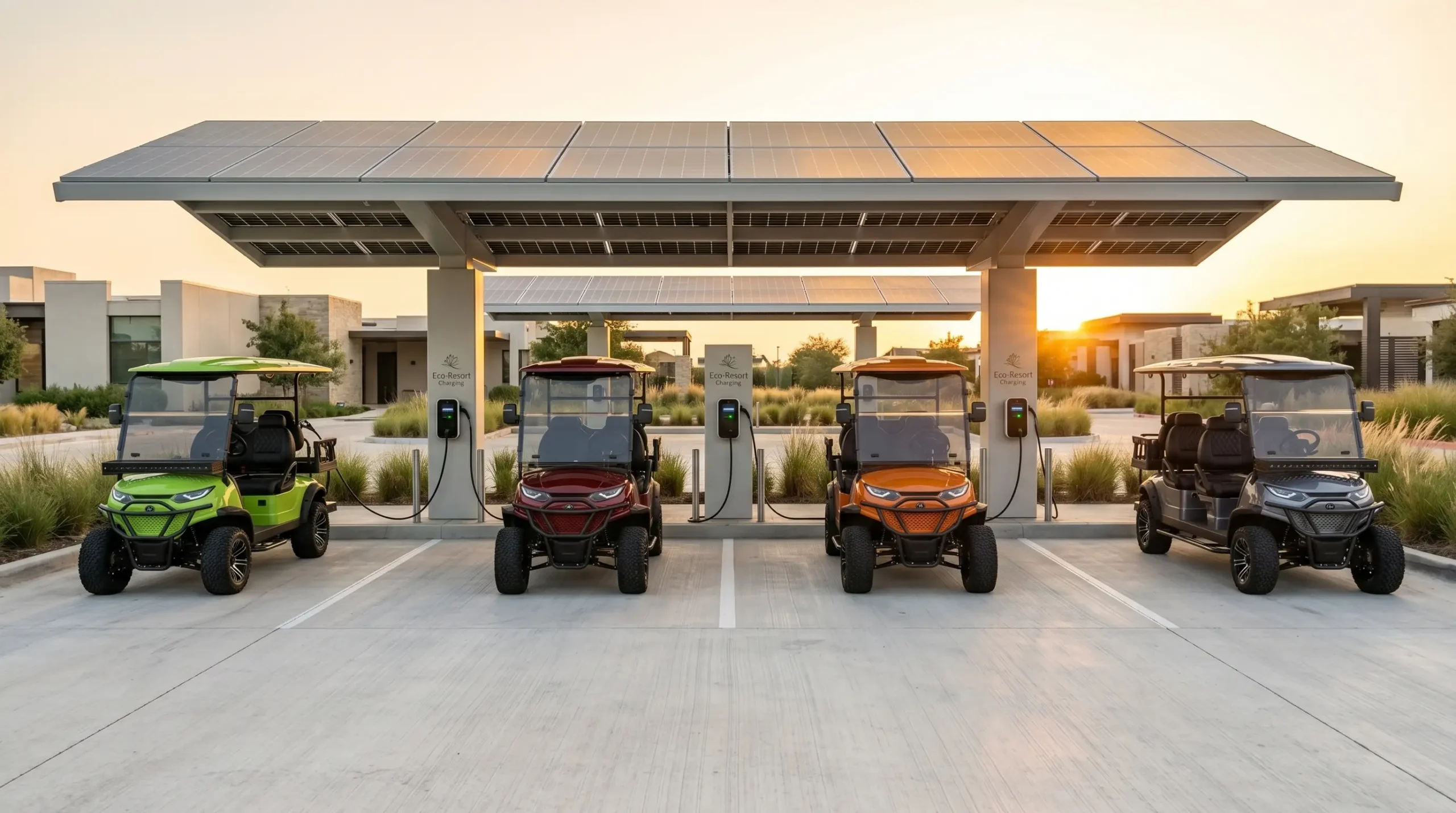
Legacy systems require a slow, eight-hour “soak” to charge effectively, often sidelining carts during peak afternoon hours. Modern lithium changes the game entirely, allowing a cart to reach 80 percent capacity during a standard one-hour lunch break [16†L38-L42].
By maximizing opportunity charging, fleet managers can operate with fewer total units while maintaining the same level of service—a lean approach possible only when the energy system handles back-to-back rounds without significant voltage sag [16†L43-L46].
The 2026 Market Outlook
The global electric golf cart market was valued at approximately $1.7 billion in 2026 and is projected to reach $3.3 billion by 2035, growing at a compound annual rate of 7.9 percent [4†L34-L35]. Simultaneously, the broader golf carts and neighborhood electric vehicle market is expected to expand from $5.37 billion in 2025 to $12.73 billion by 2034, at a CAGR of 10.06 percent [4†L37-L38].
Key trends accelerating the lithium transition:
Lithium standardization: Battery management systems, motor efficiency, and lightweight materials are enhancing range, durability, and energy efficiency [10†L49-L52].
Fleet electrification: Resorts, courses, and communities are adopting lithium fleets for lower TCO.
Green procurement: Sustainability mandates now directly influence vehicle procurement decisions.
Smart charging: Lithium enables fast, opportunity-based charging—unlike legacy systems, which require long, fixed cycles [16†L38-L46].

How many years should a lithium golf cart battery last?
LiFePO₄ batteries typically last eight to twelve years (3,000–6,000 cycles). Many owners never need to replace the battery during the vehicle‘s lifetime [1†L4-L6][1†L26-L29].
Is lithium cheaper than lead-acid in the long run?
Yes. A lead‑acid 48V pack may cost $800–$1,200 initially but needs replacement every three to five years. A lithium pack costs $1,500–$3,500+ upfront but lasts eight to twelve years—and adds higher resale value [12†L14-L15][2†L4-L7].
Do AC motors really reduce operating costs?
Yes. AC motors eliminate brush replacements, deliver higher efficiency, and provide regenerative braking that extends battery range, lowering both maintenance and energy costs [3†L4-L8]. They also maintain consistent torque without overheating, reducing downtime.
Can I upgrade my existing DC golf cart to AC?
Upgrading is possible but requires replacing the motor, controller, and often wiring—costing $3,000–$6,000 [14†L41-L44]. For most operators, purchasing a new AC-built cart is more cost-effective and includes a full warranty.
What is the real-world payback period for upgrading to lithium/AC?
For daily-use fleets, payback is typically 2 to 4 years. After that, the remaining years of service are pure savings [10†L9-L10].
Are lithium batteries safe for fleet use?
Yes. LiFePO₄ chemistry is exceptionally stable, handles high temperatures, and poses no risk of thermal runaway, making it the safest choice for commercial fleets [10†L49-L52].
Conclusion
Conclusion
Golf cart ownership has changed. Buying the cheapest cart no longer means buying the most economical cart. The numbers are definitive: lithium‑powered AC electric systems deliver lower total cost of ownership, dramatically reduced maintenance, better performance, and higher resale value.
For fleet managers, course operators, resort directors, and community organizations, the case is clear. The upfront price difference has narrowed, while the long‑term savings have widened.
If you‘re planning a fleet purchase in 2026, the question isn‘t whether to go electric. It’s how soon you want to start saving.
Get the latest information on our products
/ solutions that meet your needs
Get the latest information on our products / solutions that meet your needs
Newsletter Updates
Enter your email address below and subscribe to our newsletter