
Email:dennis@sun-cart.com Whatsapp:+86 13696971344
From Fairway to Freeway: How 2026 Golf Carts Are Becoming the Ultimate Urban Mobility Vehicle
The Golf Cart Is Having a Moment
There was a time when golf carts were seen as single-purpose vehicles—useful only for hauling clubs and golfers around the 18th hole.
Not anymore.
In 2026, the humble golf cart is in the midst of a transformation. It’s becoming a legitimate mode of urban transportation, a mobile tech platform, a customizable lifestyle accessory, and a cornerstone of sustainable community design.
Driving this shift is the perfect storm of converging trends: rapidly evolving technology (AI, GPS, smart connectivity), expanding regulatory frameworks that allow carts on public roads, a surging market for customization, and new mobility concepts that see LSVs filling the gap between walking and driving.
This article explores the biggest trends reshaping the golf cart industry in 2026—and what they mean for buyers.
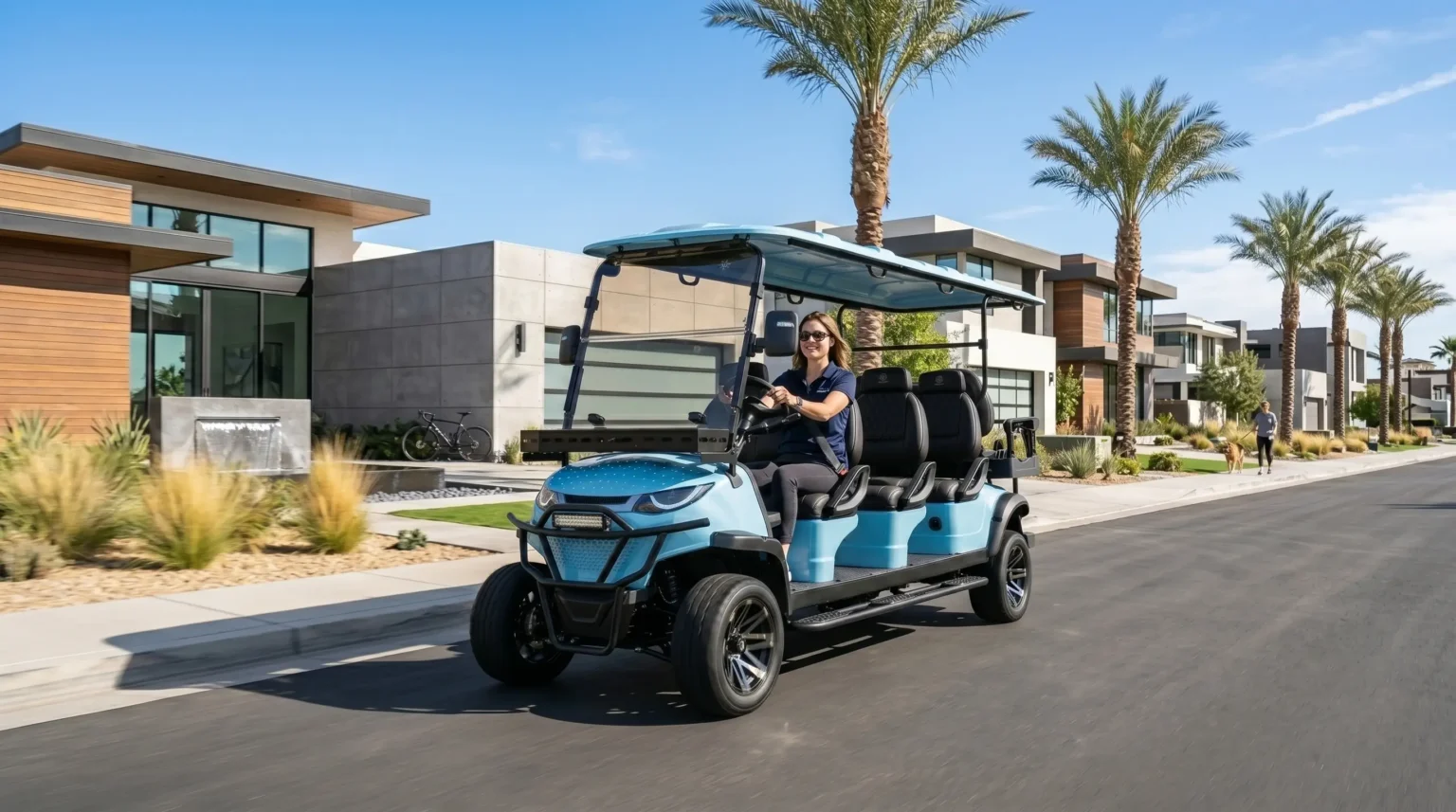
From the Fairway to the Freeway
From the Fairway to the Freeway
The single biggest trend in 2026 is that golf carts are leaving the course and entering the mainstream of urban transit.
What's an LSV?
A Low-Speed Vehicle (LSV) is a federally defined, four-wheeled vehicle with a top speed between 20 and 25 mph. Under the guidelines of the Federal Motor Vehicle Safety Standards (FMVSSs), a golf cart must meet these LSV requirements to be legally registered for public-road use.
An LSV isn’t a toy. It’s a regulated street-legal vehicle that must be registered, insured, and equipped with automotive-grade safety features like seat belts, headlights, turn signals, mirrors, windshields, and DOT-approved tires.
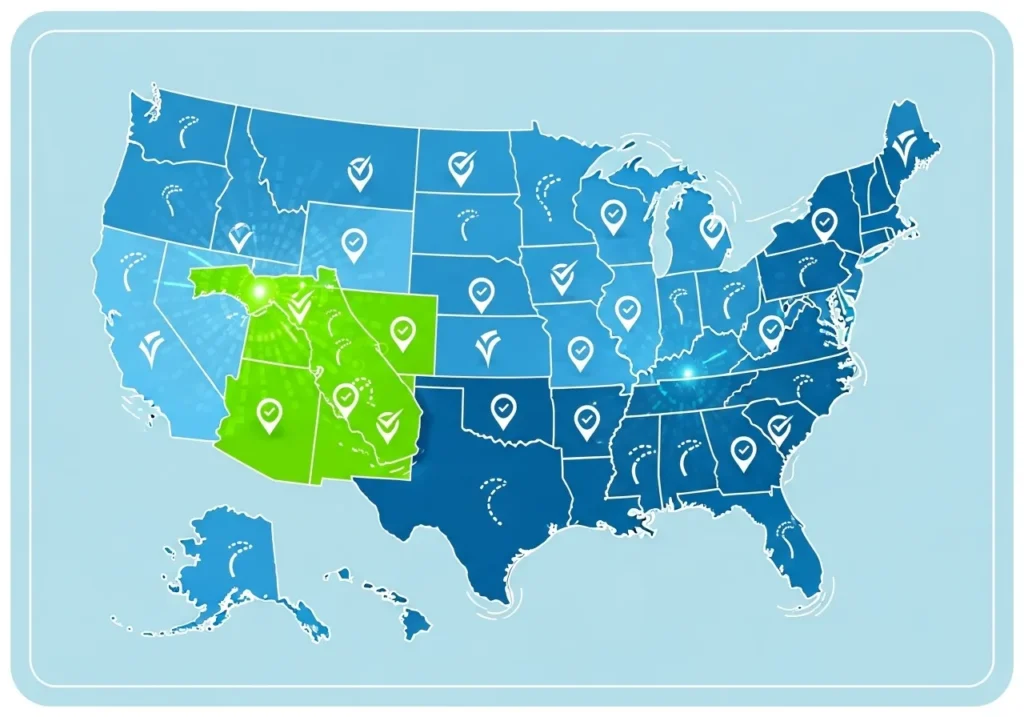
The Regulatory Green Light
Across the United States, cities are actively passing laws to integrate LSVs and golf carts into their transportation networks.
Florida: A hub for LSV adoption, with communities leveraging HB 519 to permit golf carts for crossing certain roads under specific rules. Municipalities are increasingly creating local programs allowing carts on public streets that previously restricted them.
California: Allows registered LSVs on any public road with a posted speed limit of 35 mph or less, opening massive potential for neighborhood commuting.
Illinois: A proposed bill is aiming to raise the speed limit for non-highway vehicles to 55 mph or less (from 35 mph) when permitted by a local government, representing a huge expansion of where LSVs can go.
This expanding legal landscape is creating entirely new markets for low-speed vehicles as legitimate urban transportation options, with the street-legal golf cart market projected to grow at an impressive CAGR of 9.38% from 2026 to 2032.
The Tech-Savvy Golf Cart
The Tech-Savvy Golf Cart
Today’s golf carts are packed with more technology than most cars had a decade ago. The 2026 models are genuinely smart vehicles.
AI and Autonomous Features
Cutting-edge golf carts now feature AI vision systems and GPS mapping for auto-follow and obstacle avoidance, with some models boasting over 40,000 preloaded global course maps. Patrolling vehicles are moving toward second-generation autonomous platforms, capable of navigating complex facilities without a driver.
Connected Fleet Management
For commercial owners, fleet management is a game-changer. Integrated systems allow you to:
Track every cart’s location in real time via a web-based dashboard.
Use Geofencing to set up virtual perimeters that automatically enforce speed limits and designate restricted areas, with precision options that dramatically reduce accidental cart-locking.
Get real-time battery health data and predictive maintenance alerts to prevent breakdowns before they happen.
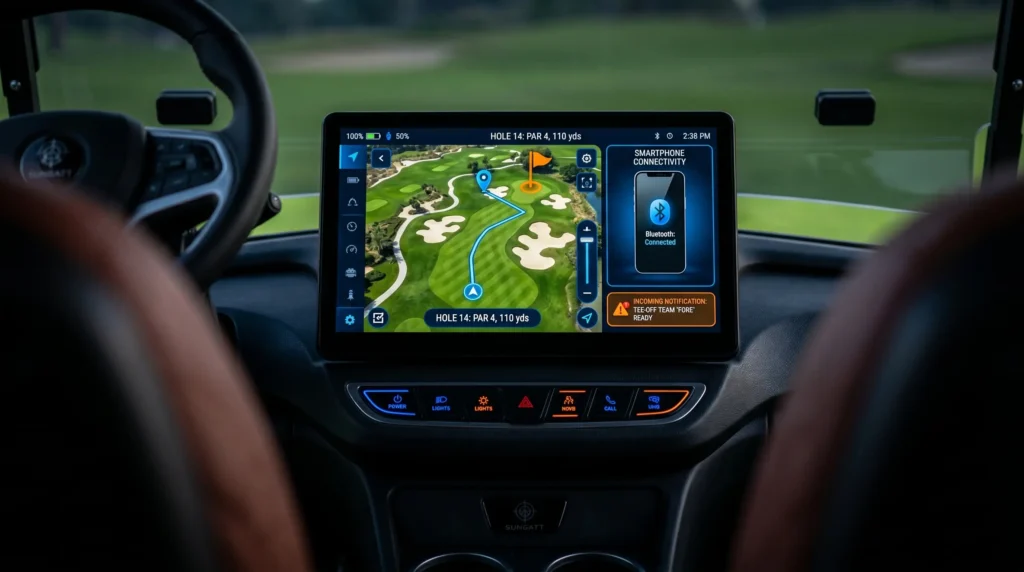
The Smart Cockpit
Today’s dashboards look more like a Tesla than a traditional cart. Touchscreen displays provide real-time distance insights and effortless control. Bluetooth-connected apps allow for remote diagnostics and performance monitoring from your phone.
Performance Upgrades
Performance Upgrades
One of the most exciting trends is the explosion of the aftermarket upgrade market. Owners are no longer just replacing parts; theyre transforming their entire driving experience.
Full Power System Transformations
For those seeking ultimate performance, complete “power system” upgrade solutions integrate a new high-performance LiFePO₄ battery with a Permanent Magnet Synchronous Motor (PMSM) and a high-output (450A) controller. This turns an older cart into a modern torque monster.
The Emerging High-Voltage Segment
A new segment of ultra-high-performance carts is emerging with 76V systems engineered for builds that demand maximum torque and speed.
The Lithium Conversion Boom
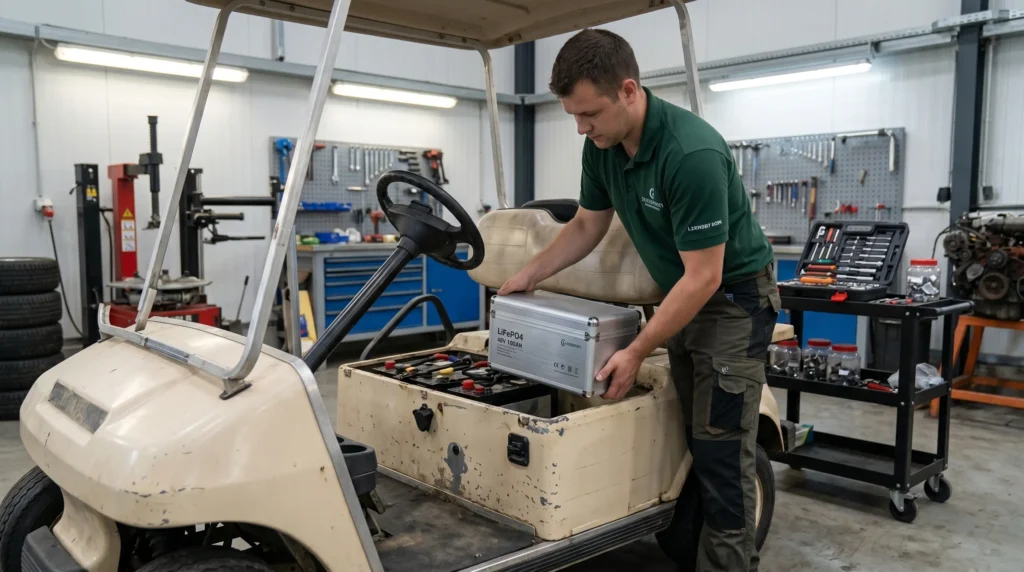
Replacing heavy, maintenance-intensive lead-acid battery banks with single, high-capacity lithium iron phosphate (LiFePO₄) batteries is the single most impactful upgrade you can make. Operators are looking for longer service life, reduced maintenance costs, steadier output, and more transparent battery management.
Complete conversion kits include a high-performance LiFePO₄ battery, a fast charger, mounting brackets, and an LCD touchscreen, making it a straightforward drop-in process. Major battery manufacturers are now offering solutions that don’t even require a motor or controller replacement, dramatically lowering the barrier to entry for owners of legacy models.
A Market on the Move
A Market on the Move
The numbers tell the story of a market rapidly accelerating. The global golf cart market is on a significant growth trajectory.
Golf Cart Market (Allied Market Research): Valued at 1.9billionin2023∗∗,it′spredictedtoreach∗∗1.9billionin2023∗∗,it′spredictedtoreach∗∗3.5 billion by 2033, growing at a 6.7% CAGR.
Golf & NEV Market (HTF MI): Expected to see a 6.8% growth rate, reaching a market size of USD 8.7 Billion by 2033.
Golf Cart and NEV Market (GII Research): Projected to reach USD 12.73 Billion in 2034 from USD 5.37 Billion (2025) at a robust CAGR of 10.06%.
The Fastest-Growing Segment: Street Legal
The street-legal golf cart segment is outpacing the wider market, valued at USD 525.90 million in 2025, projected to reach USD 574.74 million in 2026 with a powerful CAGR of 9.38%, hitting USD 985.60 million by 2032.

More Than Transportation
More Than Transportation
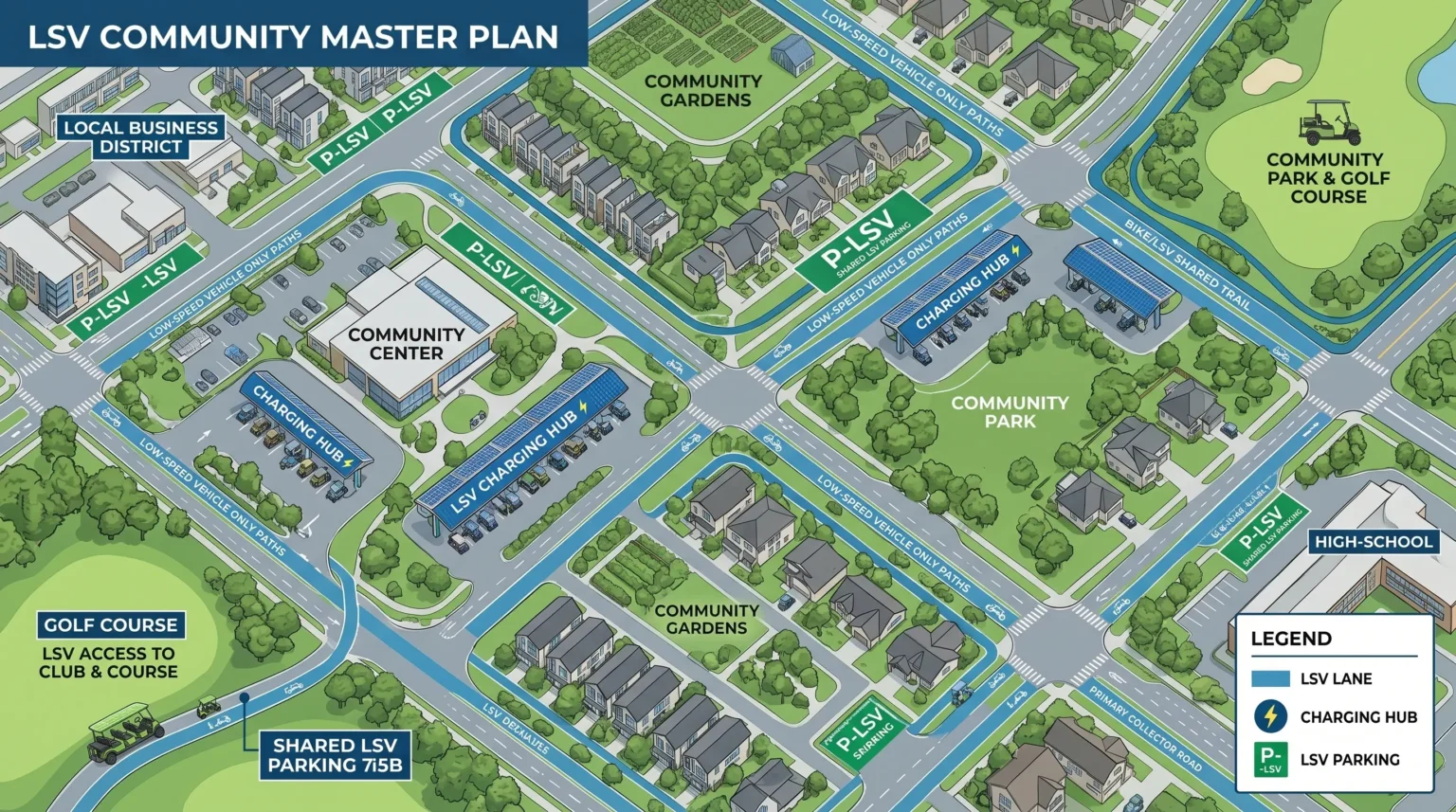
The vision for the future of golf carts extends far beyond being a simple vehicle in a growing number of communities.
The industry is moving toward a future where LSVs are an integrated part of shared mobility ecosystems. This includes the development of AI autonomous-driving-based transport where vehicles can be hailed like a rideshare, as well as innovative service platforms that combine people-moving with other tasks like divot repair.
What is the difference between a golf cart and a Low-Speed Vehicle (LSV)?
A standard golf cart is designed for course use, with a top speed of about 15-20 mph, and cannot (with few exceptions) be legally driven on public roads. An LSV is a federally regulated, street-legal vehicle that must be registered, insured, and comes equipped with required safety features like headlights, turn signals, and seat belts for public roads with speed limits up to 35 mph.
How much does it cost to upgrade my golf cart to a lithium battery?
A quality lithium conversion kit typically costs between 900and2,500, depending on the voltage (36V, 48V, or 72V) and capacity (Ah). While there is an upfront investment, the total cost of ownership over the battery’s 10+ year life is significantly less than continually replacing lead-acid packs.
Are new golf carts in 2026 worth the higher price tag?
Yes. Today’s electric golf carts offer far more value. They include advanced LiFePO₄ batteries that last 8-10 years, powerful and efficient AC motors, smart tech like GPS fleet management, and road-ready LSV safety equipment. The total cost of ownership over a decade is lower due to massive reductions in fuel, maintenance, and battery replacement costs.
Can I really drive a golf cart on the street where I live?
Maybe. It depends entirely on your city and state regulations. More and more cities are passing ordinances to allow LSVs on designated public roads. You should check with your local DMV or city government for their specific requirements on registration, insurance, and permitted routes.
Is a converted lithium golf cart faster than a standard one?
It can be. A lithium conversion alone won’t increase your top speed if you are limited by your motor and controller. However, a lithium battery will provide significantly better acceleration and hill-climbing power. For more speed, you need a complete “power system” upgrade that includes a higher-output motor and controller.
What kind of smart features can I get on a 2026 golf cart?
Premium 2026 models come with integrated GPS touchscreen navigation, Bluetooth connectivity for remote battery monitoring, geofencing capabilities to automatically limit speed in certain areas, and fleet telematics for real-time location and maintenance tracking.
Your Next Vehicle Is Smaller Than You Think
The 2026 golf cart is no longer a niche product for a single sport. Its a versatile, technologically advanced, and increasingly practical mobility tool for the 21st century. From daily errands to campus commuting and integrated community transit, the humble golf cart has found its lane.
Whether you’re buying a new high-tech model, upgrading an existing one with a lithium conversion, or watching the regulatory landscape evolve, it’s clear that the vehicle of the future is just as likely to have four wheels and a golf bag rack as it is to have a trunk.
The golf cart has officially left the course.
Get the latest information on our products
/ solutions that meet your needs
Get the latest information on our products / solutions that meet your needs
Newsletter Updates
Enter your email address below and subscribe to our newsletter